

EICR Certificate in Tooting – Landlord Electrical Safety Inspections
BuildSpark provides professional EICR certificates in Tooting and across South West London for landlords, homeowners and businesses. Our qualified electricians carry out thorough electrical safety inspections to ensure your property meets current UK regulations and remains safe for occupants.
We offer fast turnaround times and flexible appointments, making it easy to stay compliant without disruption.
Call Us: 0203 488 7378

FAST & RELIABLE EICR SERVICE
We provide prompt EICR inspections in Tooting, with quick reporting for landlords and property owners who need urgent compliance.
Our service includes:
- Full electrical installation inspection
- Identification of faults and safety risks
- Clear report with C1, C2 and C3 observations
- Certification for landlord compliance
If you need an electrical safety certificate quickly, our team can arrange a convenient inspection time and deliver your report without delay.
RELATED ELECTRICAL SERVICES
We also provide:
- Landlord PAT testing for appliances
- Emergency electrician services for urgent faults
- Electrical repairs and upgrades
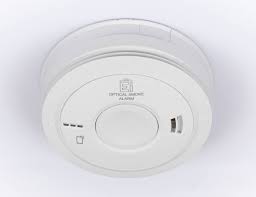
- Heat, Smoke and CO2 alarms
These services help ensure full electrical compliance and safety across your property.

EICR REQUIREMENTS FOR LANDLORDS
Landlords are legally required to ensure electrical installations are inspected and tested at least every five years.
Our EICR service helps landlords:
- Meet UK legal requirements
- Protect tenants from electrical hazards
- Avoid penalties for non-compliance
- Maintain safe rental properties
We regularly work with landlords, letting agents and property managers across Tooting and surrounding areas.

WHAT IS AN EICR CERTIFICATE?
An Electrical Installation Condition Report (EICR) is an official document that assesses the safety of a property's electrical system. It identifies any issues that could present a risk and confirms whether the installation is safe for continued use.
EICR inspections are essential for maintaining safe electrical systems in both residential and rental properties.
WHY CHOOSE BUILDSPARK
-
BuildSpark is a trusted provider of electrical services in Tooting and South West London, delivering safe and fully certified work.
- Qualified and experienced electricians
- NAPIT registered and fully insured
- Fast response and flexible bookings
- Clear, transparent pricing
- Strong experience with landlord compliance
We understand that landlords and property owners often need EICR certificates quickly, especially between tenancies or during property checks. BuildSpark offers flexible scheduling and, where possible, same-day or next-day appointments in Tooting. Our goal is to minimise delays and ensure your property remains compliant without unnecessary waiting.
We provide EICR inspections for all types of rental properties, including flats, houses and HMOs in Tooting. Each inspection is carried out in line with current UK regulations, ensuring that your property meets legal requirements for tenant safety. Whether you manage a single property or multiple units, we deliver consistent and reliable certification.
If your EICR identifies issues, the report will clearly outline any problems using classification codes such as C1 (danger present), C2 (potentially dangerous) and C3 (improvement recommended). Our electricians can explain the findings in simple terms and carry out any necessary remedial work to bring your installation up to standard quickly and safely.
If issues are identified, we can carry out repairs including consumer unit upgrades and house rewiring services to bring your installation up to current safety standards. If urgent problems are discovered, our emergency electrician service is available for immediate repairs. We also offer landlord PAT testing to ensure full electrical compliance.
Frequently Asked Questions?
How often does a landlord need an EICR?
Landlords in England are normally required to have the electrical installation inspected and tested at least every five years, or sooner if recommended on a previous report.
What happens if my EICR is unsatisfactory?
An unsatisfactory EICR means potentially dangerous electrical defects have been identified within the installation. These issues are usually classified as C1, C2 or FI observations and must be addressed before the installation can be considered safe. If defects are found, we can carry out the necessary repairs and provide certification once the work has been completed.
Do you provide EICRs for landlords and HMOs?
Yes. We work with landlords, letting agents and HMO property owners across Tooting and South West London, helping them remain compliant with current electrical safety regulations and tenancy requirements.
Do I need smoke alarms as a landlord?
Landlords are required to ensure suitable smoke alarm protection is installed within their rental properties. We can supply and install modern interlinked smoke, heat and carbon monoxide alarms to help improve tenant safety and compliance.
Can old wiring cause an EICR to fail?
Yes. Ageing or damaged wiring can present a safety risk and is frequently highlighted during EICR inspections. Depending on the condition of the installation, repairs or partial rewiring may be required.
How much does an EICR certificate cost in Tooting?
The cost of an EICR depends on the size of the property and the number of circuits being tested. We offer competitive fixed-price inspections for landlords, homeowners and businesses throughout South West London. You can also view our current pricing guide before booking.
Can you carry out repairs if my EICR fails?
Yes. We regularly help landlords and homeowners resolve issues identified during EICR inspections, including faulty wiring, damaged accessories and consumer unit defects. Once the work is complete, we can arrange any required certification.
What does an EICR inspection include?
An EICR involves inspecting and testing the property's electrical installation, including wiring, sockets, switches, circuits and protective devices. The inspection helps identify any defects that could affect safety or compliance.
My EICR identified problems with the fuse board. What should I do?
Older consumer units are one of the most common reasons for unsatisfactory EICR reports. If your fuse board no longer provides adequate protection, upgrading to a modern consumer unit may be recommended.
BOOK YOUR EICR IN TOOTING
Need an EICR certificate in Tooting?
Contact BuildSpark today to arrange your electrical safety inspection and receive a fast, professional service from a qualified electrician.