

Electrical Questions Answered by Qualified Electricians
Expert Electrical Advice for Homeowners, Landlords & Businesses
Electrical systems are an essential part of every home and business, but they can also be confusing when problems arise or safety regulations need to be understood. Whether you've experienced a power cut, your fuse board keeps tripping, you're planning a house renovation or you're wondering if your property needs an EICR certificate, getting accurate advice can help you make informed decisions and keep your property safe.
At BuildSpark, we regularly answer electrical questions from homeowners, landlords, letting agents and businesses throughout South West London and Surrey. This guide has been created to provide straightforward answers to the most common electrical questions we receive, based on current BS 7671 Wiring Regulations and industry best practice.
If you cannot find the answer you're looking for, our qualified electricians are always happy to help.
Emergency Electrical Questions
What should I do if I lose power in my property?
First check if nearby properties are affected. If it’s only your property, check your fuse board. If power cannot be restored safely, contact an emergency electrician service immediately.
Is a burning smell from electrics dangerous?
Yes, this is a serious warning sign of overheating or faulty wiring. Turn off power if safe and contact an electrician urgently.
When should I call an emergency electrician?
You should call immediately if you experience:
- repeated tripping
- burning smells or sparks
- exposed wiring
- loss of power
What should I do if I lose power in my property?
If you've suddenly lost power, first check whether neighbouring properties are also affected. If they are, the issue is likely to be a network fault, and you should contact your electricity supplier.
If only your property has lost power, check your consumer unit to see if an RCD or circuit breaker has tripped. Never repeatedly reset breakers without identifying the cause, as this may indicate a dangerous electrical fault.
If you cannot safely restore power, contact a qualified electrician immediately.
When should I call an emergency electrician?
You should contact an emergency electrician immediately if you experience:
- Complete loss of power
- Burning smells
- Sparks from sockets
- Smoke from electrical equipment
- Exposed live wiring
- Flooding affecting electrics
- Consumer unit repeatedly tripping
- Electric shocks from switches or sockets
Prompt action can prevent more serious damage and reduce the risk of electrical fires.
What is an RCD and why is it important?
An RCD (Residual Current Device) is a life-saving safety device designed to disconnect the electrical supply within milliseconds if it detects electricity flowing somewhere it shouldn't, such as through a person or damaged cable.
Unlike traditional fuses, an RCD helps protect against electric shock and significantly reduces the risk of electrical fires caused by earth faults.
Most modern consumer units include either RCD or RCBO protection, providing a much higher level of safety than older fuse boards.
If your property still has an older fuse board without RCD protection, our Fuse Board Upgrade London service explains the advantages of upgrading to a modern consumer unit.
To understand how modern consumer units work, read our guide on Understanding Consumer Units – Essential for Home Electrical Safety, where we explain the different protective devices found in today's installations.
If you're unsure whether your electrical installation meets current safety standards, an EICR Certificate can identify missing RCD protection and other electrical safety issues before they become dangerous.
Need Emergency Electrical Help?
Electrical faults can happen at any time. BuildSpark provides fast, reliable emergency electrical services throughout South West London and Surrey.
Popular Emergency Services
Is a burning smell from electrics dangerous?
A burning smell from sockets, switches, consumer units or electrical equipment should never be ignored. It often indicates overheating wiring, damaged accessories or loose electrical connections that could become a fire hazard.
If you notice a burning smell:
- Switch off the affected circuit if safe.
- Stop using the appliance.
- Do not ignore the problem.
- Contact an electrician immediately.
Why does my fuse board keep tripping?
A consumer unit that repeatedly trips is designed to protect your property by disconnecting the electrical supply whenever it detects a fault. Although resetting the breaker may temporarily restore power, repeated tripping usually indicates an underlying problem that should be investigated by a qualified electrician.
Common causes include:
- Faulty electrical appliances
- Damaged wiring
- Water ingress
- Overloaded circuits
- Faulty RCDs or RCBOs
- Loose electrical connections
- Earth faults
Continuing to reset the breaker without identifying the cause can increase the risk of electrical damage, electric shock or fire.
If you're experiencing repeated tripping, our Electrical Fault Finding London service uses professional testing equipment to accurately diagnose electrical faults before carrying out safe and effective repairs.
If your consumer unit is outdated or no longer provides modern electrical protection, you may benefit from a Fuse Board Upgrade London, where we replace older fuse boards with modern RCBO consumer units complete with surge protection.
You can also read our guide explaining Why Fuse Boards Keep Tripping, where we cover the most common causes, simple checks you can safely carry out and when it's time to call a qualified electrician.
Can I repair electrical faults myself?
Some simple tasks, such as replacing a lamp or resetting a tripped circuit breaker, can usually be carried out safely. However, repairs involving fixed wiring, sockets, switches, lighting circuits or consumer units should always be completed by a qualified electrician.
DIY electrical work can lead to:
- Electric shock
- Fire hazards
- Damage to your electrical installation
- Invalid home insurance
- Non-compliance with UK Building Regulations
If you're unsure whether an electrical fault is safe to investigate, it's always best to seek professional advice.
Our Electrical Fault Finding London service allows us to diagnose faults safely using professional testing equipment, reducing unnecessary disruption and ensuring repairs comply with the latest BS 7671 Wiring Regulations.
If you're unsure whether to attempt a repair yourself, our article on Choosing the Right Electrician explains what qualifications, experience and certifications you should look for before employing an electrician.
You can also learn more about BuildSpark, our qualifications and professional accreditations on our About BuildSpark page.
EICR Certificate?
What is an EICR Certificate?
An Electrical Installation Condition Report (EICR) is a detailed inspection of your property's fixed electrical installation. It assesses the condition of wiring, sockets, switches, consumer units and other electrical components to identify any damage, deterioration or safety issues.
An EICR helps ensure your installation complies with the latest BS 7671 Wiring Regulations and highlights any work required to improve electrical safety.
An EICR may identify observations such as C1 (Danger Present), C2 (Potentially Dangerous) or FI (Further Investigation Required). If defects are found, remedial work may be needed before the installation can be considered satisfactory.
Is an EICR required for landlords?
Yes. Under the Electrical Safety Standards in the Private Rented Sector (England) Regulations 2020, private landlords are legally required to ensure the electrical installation in their rental properties is inspected and tested by a qualified electrician at least every five years.
A copy of the EICR must be provided to existing tenants, new tenants before they move in, and the local authority if requested. If the report identifies C1 (Danger Present), C2 (Potentially Dangerous) or FI (Further Investigation Required) observations, remedial work must usually be completed within 28 days, or sooner if specified in the report.
Failure to comply with these regulations can result in enforcement action and financial penalties. Keeping your property's electrical installation safe not only meets your legal obligations but also helps protect your tenants and your investment.
If you're a landlord, our Landlord Electrician London service explains your legal responsibilities and the electrical services we provide for rental properties, HMOs and letting agents.
If your property has received an unsatisfactory report, read our Failed EICR South West London guide to understand the remedial process and how we can help you obtain a satisfactory certificate.
If you're looking for a professional inspection, visit our EICR Certificate Tooting page to see what's included and book your electrical safety inspection.
How often should an EICR be carried out?
The recommended inspection frequency depends on the type of property and how the electrical installation is used.
Typical recommendations include:
- Homeowners: Every 10 years or when buying or selling a property.
- Private Rental Properties: Every 5 years or at each change of tenancy, in line with current legislation.
- Commercial Properties: At intervals recommended according to the property's use and level of risk.
- HMOs: In accordance with current landlord regulations and licensing requirements.
If your property has an older electrical installation, has undergone alterations, or you've experienced recurring electrical faults, it may be advisable to have an inspection carried out sooner.
If you'd like to know what's included in an inspection, visit our EICR Certificate Tooting page, where we explain the testing process, certification and common observations found during an Electrical Installation Condition Report.
If you're unsure how much an inspection will cost, read our EICR Certificate Cost London guide for typical prices and the factors that affect the cost of an EICR.
What happens if my property fails an EICR?
Receiving an unsatisfactory EICR does not necessarily mean your entire electrical installation needs replacing. In most cases, only specific defects need to be corrected before the installation can be certified as satisfactory.
Common reasons for failing an EICR include:
- Missing RCD protection
- Damaged sockets or switches
- Incorrect circuit protection
- Poor earthing or bonding
- Deteriorated wiring
- Overloaded circuits
- Unsafe electrical accessories
Once the necessary remedial work has been completed, the affected items can be retested and, where appropriate, a satisfactory outcome can be achieved.
At BuildSpark, we carry out EICR remedial works for homeowners, landlords and businesses throughout South West London and Surrey. We always explain the observations in plain English and only recommend work that is genuinely required to bring the installation up to a safe standard.
For a detailed explanation of the remedial process, visit our Failed EICR South West London page.
If you'd like to see an example of a real remedial project, our Failed EICR Remedial Works Wimbledon page explains how we corrected electrical defects and achieved compliance.
If the report recommends replacing an outdated consumer unit, our Fuse Board Upgrade London guide explains the benefits of upgrading to a modern RCBO consumer unit with surge protection.
Consumer Unit & Fuse Board Questions
What is a consumer unit?
A consumer unit, commonly known as a fuse board, is the main electrical distribution point within your property. It safely distributes electricity from the mains supply to the various electrical circuits throughout your home or business.
Modern consumer units contain protective devices such as MCBs (Miniature Circuit Breakers), RCDs (Residual Current Devices), RCBOs (Residual Current Breakers with Overcurrent Protection) and Surge Protection Devices (SPDs). These components are designed to disconnect the electrical supply quickly if a fault occurs, helping to reduce the risk of electric shock, electrical fires and damage to appliances.
If your property still has an older fuse board with rewireable fuses or lacks RCD protection, it may no longer provide the level of safety expected under current BS 7671 Wiring Regulations.
If you're considering replacing an older fuse board, our Fuse Board Upgrade London page explains what's involved and the benefits of upgrading to a modern consumer unit.
You can also read our detailed guide Understanding Consumer Units – Essential for Home Electrical Safety, where we explain how consumer units work and the different protective devices they contain.
If you're unsure whether your existing consumer unit meets current safety standards, arranging an EICR Certificate is the best way to assess the condition of your electrical installation.
What is the difference between an RCD and an RCBO?
Both RCDs and RCBOs are designed to improve electrical safety, but they protect your installation in slightly different ways.
An RCD (Residual Current Device) monitors several circuits and disconnects the electrical supply if it detects electricity leaking to earth. While highly effective, a fault on one circuit can cause multiple circuits to lose power.
An RCBO (Residual Current Breaker with Overcurrent Protection) combines earth leakage protection with overload and short-circuit protection for an individual circuit. This means that if one circuit develops a fault, only that circuit is disconnected, allowing the rest of the property to remain operational.
Modern consumer units increasingly use RCBOs because they offer improved fault protection, easier fault diagnosis and minimise unnecessary disruption.
Our guide Choosing the Perfect Protective Devices and Fuse Board explains the different protective devices available and how they improve electrical safety.
If you're considering upgrading your existing installation, visit our Fuse Board Upgrade London page for more information about modern RCBO consumer units.
Can I install a new consumer unit myself?
No. Replacing a consumer unit is not considered a DIY job and should only be carried out by a qualified electrician.
A consumer unit replacement involves disconnecting the main electrical supply, testing every circuit, verifying the earthing and bonding arrangements, and issuing the appropriate electrical certification. The work is also notifiable under Part P of the Building Regulations in England for most domestic properties.
Incorrect installation can lead to electric shock, fire hazards, nuisance tripping and non-compliance with current electrical regulations.
At BuildSpark, every consumer unit installation includes full inspection, testing and certification to ensure your installation complies with the latest BS 7671 Wiring Regulations.
To understand why it's important to use a qualified electrician, read our guide Why Choose 18th Edition Electricians, which explains the qualifications and standards you should look for when choosing an electrical contractor.
If you're considering replacing an older fuse board, you can also request a Free Electrical Quote, and we'll be happy to advise on the most suitable consumer unit for your property.
Do I need a fuse board upgrade?
A fuse board upgrade is recommended if your existing consumer unit is outdated, damaged or no longer provides the protection required by modern electrical standards.
Common reasons to upgrade include:
- Rewireable fuse board
- No RCD protection
- No RCBO protection
- Lack of Surge Protection (SPD)
- Frequent nuisance tripping
- Home extension or renovation
- EV charger installation
- Failed EICR observations
Replacing an older fuse board with a modern metal consumer unit improves electrical safety, simplifies fault finding and helps protect your property against overloads, short circuits and earth faults.
Many insurance companies and buyers also expect properties to have modern electrical protection, making a consumer unit upgrade a worthwhile investment.
Learn more about our Fuse Board Upgrade London service, including what's included in the installation and certification process.
If you're based in South West London, you may also find our Fuse Board Upgrade Tooting project helpful, where we explain a recent consumer unit replacement completed by BuildSpark.
If you're planning other electrical improvements, our Get a Free Electrical Quote page makes it easy to request a no-obligation quotation.
What is Surge Protection (SPD)?
A Surge Protection Device (SPD) protects your electrical installation and valuable appliances from sudden increases in voltage, commonly known as power surges.
Although lightning strikes are one possible cause, most electrical surges are generated within the electrical network itself through switching operations or large electrical equipment.
Modern homes often contain expensive electronic equipment such as:
- Smart televisions
- Computers
- Gaming consoles
- Broadband routers
- Smart heating controls
- Security systems
- EV chargers
- Kitchen appliances
Installing an SPD helps reduce the risk of damage to these devices and is now recommended for many new consumer unit installations under the latest wiring regulations.
Our Fuse Board Upgrade London guide explains when surge protection should be installed and the advantages of upgrading your consumer unit.
If you're unsure whether your existing installation already includes surge protection, an EICR Certificate can identify missing or outdated protective devices.
Smoke, Heat & Carbon Monoxide Alarm Questions
What types of smoke alarms should be installed?
The type of alarm required depends on your property and its layout. Modern homes should normally have interlinked smoke alarms, heat alarms in kitchens and carbon monoxide alarms where there is a fuel-burning appliance or as required by current regulations.
For most homes we recommend:
- Smoke alarms on escape routes
- Heat alarms in kitchens
- Carbon monoxide alarms where required
- Mains powered, interlinked alarms with battery backup
Properly installed alarms provide earlier warning in the event of a fire and significantly improve the safety of your family or tenants.
Our AICO Alarm Installer London page explains the different alarm types, where they should be installed and why AICO is one of the UK's leading fire alarm manufacturers.
If you're a landlord or HMO owner, our AICO Smoke Alarm Installation South London guide explains current legal requirements and recommended alarm systems.
If you're unsure which alarms your property requires, request a Free Electrical Quote and we'll be happy to advise.
Do I need carbon monoxide alarms?
Carbon monoxide is a colourless, odourless gas that can be extremely dangerous if allowed to accumulate inside a property.
Current regulations require carbon monoxide alarms in certain situations, particularly where fuel-burning appliances are present. Even where not legally required, installing carbon monoxide alarms provides valuable additional protection.
A professionally installed CO alarm can alert occupants before carbon monoxide reaches dangerous levels.
Our AICO Alarm Installer London page explains where carbon monoxide alarms should be installed and how they integrate with modern interlinked alarm systems.
If you're upgrading your fire detection system, our AICO Smoke Alarm Installation South London guide explains the different alarm combinations available.
What are AICO smoke alarms?
AICO is one of the UK's leading manufacturers of domestic fire detection systems and is widely recognised for producing reliable, high-quality smoke, heat and carbon monoxide alarms.
As an AICO Approved Installer, BuildSpark installs alarms that comply with current British Standards and can advise on the most suitable system for your property.
Modern AICO alarms offer features including:
- Mains powered operation
- Battery backup
- Interlinking
- RadioLINK wireless technology
- Carbon monoxide detection
- Heat detection
- Smart home compatibility
Whether you're upgrading an existing alarm system or installing alarms in a new property, we can design and install a system that provides reliable protection.
Learn more about our AICO Alarm Installer London service and the benefits of professionally installed interlinked alarms.
Do landlords need smoke alarms?
Yes.
Landlords have legal responsibilities to ensure suitable smoke alarms are installed in rental properties. The exact requirements depend on the type of property, but in general, smoke alarms must be installed on every storey used as living accommodation, and carbon monoxide alarms may also be required.
HMOs often have additional fire safety requirements depending on the licence conditions and local authority.
BuildSpark regularly works with landlords and letting agents, providing compliant smoke alarm installations, EICRs, consumer unit upgrades and remedial works.
Our Landlord Electrician London page explains the services we provide for landlords, while our AICO Alarm Installer London page covers the latest alarm recommendations.
If you're preparing a rental property, request a Free Electrical Quote and we'll help ensure your property meets current electrical safety requirements.
Smoke, Heat & Carbon Monoxide Alarm Questions
What is PAT Testing?
Portable Appliance Testing (PAT) is the inspection and testing of portable electrical appliances to confirm they remain safe to use.
PAT testing typically includes:
- Visual inspection
- Earth continuity testing
- Insulation resistance testing
- Polarity checks
- Functional testing
Although PAT testing is not legally required at fixed intervals for every property, landlords, businesses and employers have a legal duty to maintain electrical equipment in a safe condition.
Our PAT Testing service explains how testing is carried out and which appliances should be inspected.
If you're a landlord, our PAT Testing for Landlords UK guide explains your responsibilities and when testing is recommended.
Do I need emergency lighting?
Emergency lighting is required in many commercial buildings, HMOs, apartment blocks and communal areas to help occupants safely evacuate during a power failure.
Emergency lighting systems should be:
- Professionally installed
- Regularly inspected
- Function tested
- Annual duration tested
BuildSpark provides emergency lighting installation, testing and maintenance for landlords, businesses and property management companies.
If you're responsible for a commercial property or HMO, our Landlord Electrician London page explains the compliance services we offer.
If you'd like advice or a quotation for emergency lighting, visit our Get a Free Electrical Quote page.
Is PAT Testing a legal requirement?
PAT testing itself is not specifically required by law, but UK health and safety legislation requires electrical equipment to be maintained in a safe condition.
The frequency of testing depends on:
- The type of appliance
- How often it is used
- The environment
- The level of risk
Many landlords, businesses, schools and offices choose to carry out regular PAT testing as part of their electrical safety programme.
Our PAT Testing for Landlords UK guide explains when testing is recommended and how often appliances should be inspected.
You can also learn more about our PAT Testing service and the different types of appliances we test.
EV Charger Questions
Can I install an EV charger at home?
Yes. Most homes can accommodate an EV charger, although the installation requirements depend on your existing electrical installation, the size of your incoming electrical supply and the condition of your consumer unit.
Before installation, a qualified electrician will assess:
- Your consumer unit
- Earthing arrangement
- Available electrical capacity
- Cable route
- Charger location
If your existing consumer unit is outdated, we may recommend upgrading it before installing your EV charger to ensure it complies with current wiring regulations.
Our EV Charger Installation Tooting page explains the installation process, charger options and what's included in every installation.
If you're considering upgrading your consumer unit first, our Fuse Board Upgrade London guide explains the advantages of modern RCBO consumer units.
You can also request a Free Electrical Quote if you'd like us to assess your property and recommend the most suitable charging solution.
Which EV charger is best?
The best EV charger depends on your vehicle, budget and charging requirements.
Popular options include:
- Zappi
- Hypervolt
- Ohme
- Rolec
- Easee
Features to consider include:
- Smart scheduling
- Solar integration
- Load balancing
- App control
- Tethered or untethered cable
As qualified electricians, we can recommend the most suitable charger for your home and ensure it is installed safely and in accordance with current regulations.
Our EV Charger Installation Tooting guide explains the different charger options available and what to consider before installation.
Electrical Costs & Pricing
How much does an electrician cost?
The cost of electrical work depends on several factors, including the type of work required, the complexity of the installation and whether emergency attendance is needed.
Common factors affecting cost include:
- Property size
- Number of circuits
- Accessibility
- Materials required
- Testing and certification
- Emergency call-outs
BuildSpark believes in transparent pricing with no hidden charges.
You can view our latest pricing guide on our Electrician Prices South West London page.
If you're looking for a personalised estimate, our Get a Free Electrical Quote page allows you to send us photographs and details of your project for a no-obligation quotation.
If you're planning an EICR inspection, our EICR Certificate Cost London guide explains typical inspection costs for different property types.
Do you provide free quotations?
Yes.
We provide free quotations for most domestic and commercial electrical work throughout South West London and Surrey.
To help us provide an accurate quotation, we recommend including:
- Photographs
- Videos
- Property address
- Description of the work
- Preferred timescale
The more information you provide, the more accurate your quotation will be.
Visit our Get a Free Electrical Quote page to submit your enquiry online, or contact us directly if you require urgent assistance.
Choosing the Right Electrician
How do I choose a qualified electrician?
Choosing a qualified electrician is essential to ensure your electrical installation is safe, compliant and completed to a high standard.
When comparing electricians, look for:
- NAPIT or NICEIC registration
- City & Guilds qualifications
- Public Liability Insurance
- Positive customer reviews
- Experience with similar projects
- Electrical certification provided
Avoid choosing an electrician based solely on price, as poor workmanship can lead to expensive repairs and serious safety risks.
Our article How to Choose a Qualified Electrician in London explains exactly what to look for before employing an electrical contractor.
You can also read Why Choose 18th Edition Electricians, where we explain why up-to-date qualifications and knowledge of the latest wiring regulations are so important.
Popular Electrical Services
Whether you're looking for electrical advice or you're ready to book an electrician, the following pages may help.
Domestic Electrical Services
Why Choose BuildSpark?
Choosing the right electrician means choosing someone you can trust.
BuildSpark provides professional electrical services for homeowners, landlords, businesses and property managers across South West London and Surrey.
Why customers choose us:
✔ NAPIT Approved Electrical Contractor
✔ AICO Approved Installer
✔ City & Guilds Qualified
✔ Fully Insured
✔ 18th Edition Qualified
✔ Electrical Installation Certificates Issued
✔ Transparent Pricing
✔ Emergency Electrician Available
✔ Domestic & Commercial Electrical Services
✔ 12-Month Labour Warranty
Whether you need an emergency electrician, an EICR certificate, a consumer unit upgrade, electrical fault finding, rewiring, smoke alarm installation or an EV charger, our experienced electricians are here to help.
Learn more about BuildSpark on our About BuildSpark page or Book an Electrician Online if you're ready to arrange an appointment.
Local Electricians
We also provide electrical services throughout:
Resources
Resources & Articles For Support with your elecctrical needs.
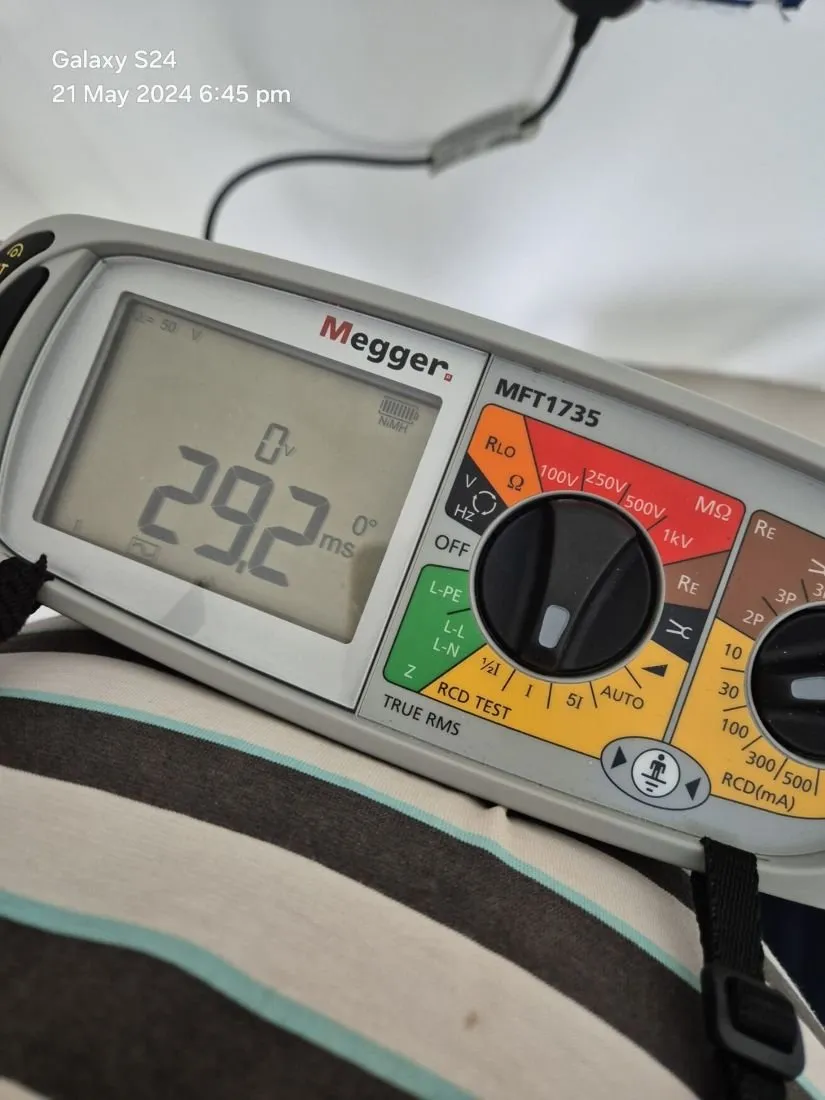
How To Choose A Qualified Electrician In Tooting
Choosing the right electrician in Tooting is essential for safety, compliance and quality workmanship. Learn how to compare qualifications, reviews, experience and pricing to find a trusted local electrician for EICRs, emergency repairs, fuse board upgrades, rewiring and electrical installations across South West London.
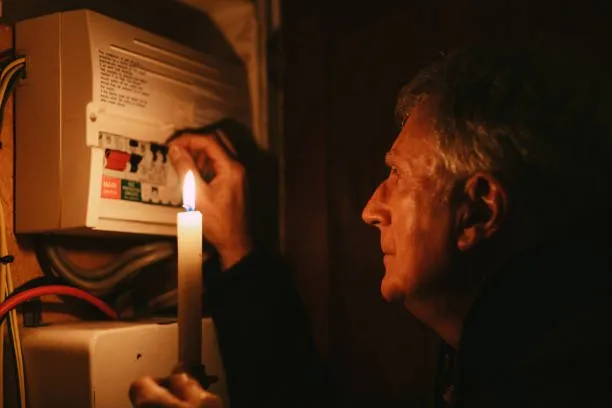
Electrical Faults Balham: Expert Tips
Electrical faults in Balham can be dangerous and disruptive. From flickering lights and tripping fuses to burning smells or sparks, these warning signs need urgent attention. BuildSpark’s certified electricians provide 24/7 emergency repairs, rewiring, fuse box upgrades, and fault finding across Balham and South West London. Protect your home, family, and property — call us today for fast, reliable service.
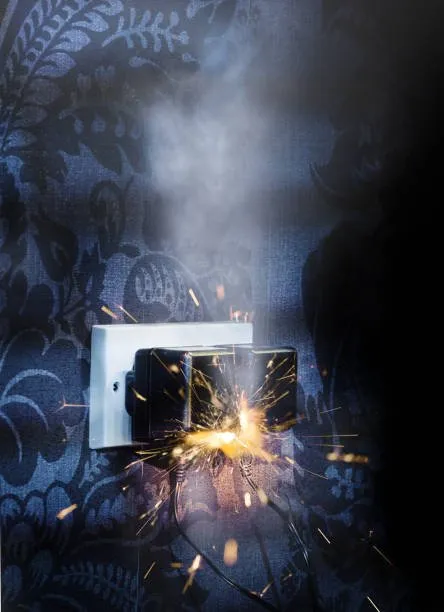
Top 7 Electrical Emergencies Every Homeowner Should Know
Discover the top 7 electrical emergencies every homeowner should know in 2026. Learn warning signs, what to do safely, and when to call a qualified emergency electrician in Tooting and South West London.
Still Have an Electrical Question?
If you couldn't find the answer you were looking for, don't worry. Our qualified electricians are always happy to help.
Whether you need advice before starting a project, require an urgent repair or would like a professional quotation, BuildSpark is here to help.