
Logo for buildspark featuring a paintbrush, spanner, and screwdriver inside a black circuit, with the tagline Spark. Build. Transform. below in blue text.

Portable Appliance Testing (PAT) is a systematic inspection of electrical appliances to ensure their safety and compliance with relevant regulations. This procedure involves checking the condition of the appliance, its leads, and plugs to confirm they are working correctly and are not a risk to users. The ultimate goal of PAT testing is to prevent electrical accidents—which can lead to injury, property damage, or even loss of life—by identifying any potential hazards before they cause harm.

In the UK, the significance of PAT testing cannot be overstated, particularly for landlords who have a legal obligation to ensure the safety of electrical equipment within their rental properties. While the frequency of PAT testing is not explicitly defined by law, it is generally recommended that landlords conduct such tests regularly to comply with the Health and Safety at Work Act 1974 and the Electrical Equipment (Safety) Regulations 1994. These regulations stipulate that all electrical appliances provided for tenants must be safe, and carry out checks to ensure ongoing safety is fundamental.

The procedures involved in PAT testing typically include a visual inspection of the appliance and its associated parts, as well as the use of specialized testing equipment to assess the functionality and safety standards. These tests can identify issues such as damaged leads, poor connections, and inadequate grounding. PAT testing can be performed by a qualified professional, such as a certified electrician, who possesses the necessary training and understanding of electrical systems to ascertain whether an appliance meets the required safety standards.

Landlords must prioritize electrical safety in their properties and engage with PAT testing accordingly. By adhering to these practices, property owners not only fulfill their legal responsibilities but also provide an added layer of protection for their tenants.

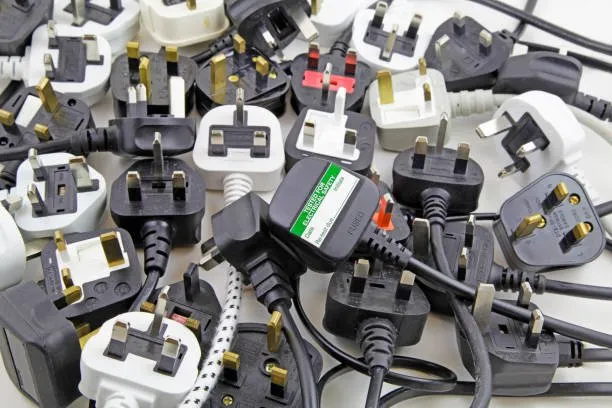
A Free pat test Tooting displays a minimalist design, featuring a sleek black cable with a contrasting black plug. The attention to detail elevates its modern aesthetic, making it a standout choice.


Importance of PAT Testing for Landlords

For landlords in the United Kingdom, Portable Appliance Testing (PAT) is not merely a recommendation but a significant legal obligation aimed at ensuring tenant safety and minimizing electrical hazards. The Health and Safety at Work Act mandates that landlords maintain a safe living environment for their tenants, which includes ensuring that all electrical equipment is regularly checked for safety. Regular PAT testing is an effective method for landlords to meet these legal standards and to demonstrate their commitment to tenant welfare.

Ensuring tenant safety is the primary reason landlords should prioritize PAT testing. Electrical appliances, if not regularly tested, can pose significant dangers such as electrical shocks, fires, and other hazards that threaten the occupants of the property. By conducting regular PAT tests, landlords can identify potential issues before they become serious problems, thus creating a safer living environment for tenants and reducing the risk of injuries that could lead to costly legal liabilities.

Moreover, many insurance companies require proof of PAT testing as part of their coverage agreements. Landlords who fail to provide evidence of regular testing may find themselves at risk of having claims denied in the event of electrical-related incidents. Therefore, maintaining a schedule of PAT testing not only protects tenants but also safeguards landlords against potential financial losses. In addition to these practical benefits, conducting PAT testing demonstrates to tenants that landlords prioritize safety, which can enhance tenant satisfaction and retention.

Furthermore, maintaining electrical safety through PAT testing can indirectly contribute to the property’s value. Properties that are well-maintained and safe are more attractive to potential tenants, ultimately helping landlords achieve better occupancy rates and rental income. Therefore, the importance of PAT testing transcends legal obligations, highlighting its multifaceted role in the management of rental properties.

Understanding EICR: Electrical Installation Condition Report

The Electrical Installation Condition Report (EICR) is a formal document that assesses the safety and condition of an electrical installation within a property. It is essential for landlords in the UK to conduct these assessments, as they ensure compliance with the electrical safety regulations and safeguard both tenants and the property itself. The EICR provides a comprehensive overview of the electrical systems in place, checking for any faults or potential hazards. This report serves as a verification of the integrity and safety of electrical installations, making it a crucial component in the management of rental properties.

An EICR is typically required at least every five years, or when there are changes to the electrical installation, such as major repairs or new wiring. Additionally, landlords must provide an EICR to new tenants or upon their request. The purpose of these evaluations is not only to identify faults but also to ensure that the property complies with the latest safety standards. The process of obtaining an EICR involves hiring a qualified electrician who will inspect the entire electrical system, including circuits, switches, and sockets. Following the inspection, the electrician will provide a detailed report outlining any issues found and recommendations for rectification.

Understanding the significance of the EICR is vital for landlords, as it complements PAT testing (Portable Appliance Testing). While the EICR focuses on fixed electrical installations, PAT testing ensures the safety of portable appliances used within the property. Both assessments work hand-in-hand to create a comprehensive safety strategy for landlords. By obtaining both EICR and PAT testing services, landlords can enhance the safety of their property, fulfilling their legal obligations while ensuring tenant welfare. Ultimately, a thorough understanding of EICR empowers landlords to make informed decisions regarding electrical safety in their rental properties.

Free PAT Testing Offer with BuildSpark

For landlords in the UK, ensuring the safety of electrical appliances is paramount, particularly amid growing legal requirements for property safety. BuildSpark is now offering a valuable opportunity that enhances the safety and compliance of rental properties. When landlords book an Electrical Installation Condition Report (EICR) with BuildSpark, they can benefit from complimentary Portable Appliance Testing (PAT) for up to 10 appliances. This initiative not only supports landlords in adhering to safety regulations but also acts as a cost-effective solution in the maintenance of rental properties.

The free PAT testing promotion can significantly alleviate financial burdens while offering peace of mind regarding the safety of electrical appliances. It covers the inspection and testing of items such as kettles, toasters, and other portable equipment that tenants may use. With a thorough understanding of electrical safety requirements, BuildSpark’s certified professionals ensure that landlords receive comprehensive reporting on each appliance. This systematic approach not only highlights potential risks but also provides actionable recommendations for correction.

Participating in this promotion not only simplifies compliance with safety legislation but also enhances the marketability of rental properties. Landlords can showcase their commitment to tenant safety and well-being, thereby increasing tenant satisfaction and reducing turnover. Furthermore, knowing that appliances are tested and deemed safe helps to foster a trustworthy relationship between landlords and their tenants.

In light of the benefits offered through this initiative, landlords seeking to fulfill their duty of care and uphold safety standards are encouraged to take advantage of the free PAT testing offer in conjunction with their EICR. This combination will ultimately lead to enhanced property management and increased tenant security.

Who is Eligible for Free PAT Testing?

In the context of understanding PAT testing for landlords in the UK, it is essential to identify who qualifies for the complimentary PAT testing offer provided by BuildSpark. This incentive is primarily aimed at landlords who possess certain qualifications and meet specified criteria. The free PAT testing is an integral component of the Electrical Installation Condition Report (EICR) service extended by BuildSpark, intended to enhance both the safety and compliance of electrical installations within rental properties.

One of the primary considerations for eligibility is the type of property owned by the landlord. Typically, residential properties such as single-family homes, apartments, and multi-unit dwellings are included under this offer. Additionally, landlords who operate within specific geographical areas may also qualify; BuildSpark may impose geographical restrictions based on the region’s demand and logistics involved in providing the PAT testing service.

Moreover, landlords must ensure that their properties are up to date with the necessary safety regulations and that they possess a valid EICR. The conditions tied to this offer stipulate that landlords must have their EICR conducted within a specified timeframe prior to the initiation of PAT testing. It is crucial that landlords coordinate with BuildSpark to ensure that they have scheduled their EICR inspection, as the eligibility for free PAT testing is contingent upon its completion.

Landlords interested in availing themselves of this offer should reach out to BuildSpark directly to confirm their eligibility and to check for any additional requirements that may be applicable. By ensuring compliance with these criteria, landlords can benefit from the free PAT testing service, ensuring enhanced electrical safety within their properties while also adhering to legal obligations.

How to Arrange PAT Testing and EICR with BuildSpark

Landlords in the UK seeking to ensure compliance with electrical safety regulations can conveniently arrange for Portable Appliance Testing (PAT) and Electrical Installation Condition Reporting (EICR) through BuildSpark. The process is straightforward, allowing landlords to protect their tenants while meeting legal obligations regarding electrical safety. The first step is to contact BuildSpark via their official website or customer service hotline. Here, landlords can express their interest in the combined PAT testing and EICR service, which is currently being offered for free.

After initial contact, landlords will be required to provide specific documentation to facilitate the scheduling of appointments. This may include property details, any previous electrical reports, and a list of appliances that need testing. It’s advisable to prepare this information in advance to streamline the process. Once the documentation is submitted, BuildSpark will arrange a convenient assessment date, which typically accommodates the landlord’s schedule.

It is recommended that landlords also conduct a preliminary inspection of their properties before the assessment. This includes checking access to various locations where appliances are used and ensuring that any obstacles are cleared. Any faulty or non-compliant appliances should be addressed right away, as they may hinder the PAT testing process. Additionally, clear communication with tenants regarding the planned visit is crucial; landlords should inform tenants about the testing schedule and any potential disruptions to daily routines.

Once the assessment date arrives, qualified technicians from BuildSpark will carry out both the PAT testing and EICR. Following their evaluation, landlords will receive detailed reports, highlighting the condition of the electrical installations and any necessary repairs or actions required to ensure tenant safety. This comprehensive report serves as crucial documentation to comply with UK regulations and demonstrates the landlord’s commitment to maintaining a safe living environment.

Common Misconceptions About PAT Testing

The practice of Portable Appliance Testing (PAT) is often shrouded in misconceptions, particularly among landlords in the UK. One prevalent myth is that landlords are not responsible for PAT testing their electrical appliances. In reality, while landlords must ensure that electrical installations are safe under the Electrical Safety Standards in the Private Rented Sector (England) Regulations, they are also advised to conduct regular PAT testing on appliances provided to tenants. Ensuring compliance with safety standards is not only a legal obligation but also a crucial aspect of tenant safety.

Another common misconception revolves around the frequency of testing. Some landlords assume that PAT testing is only required when there is a change of tenant or after a significant repair is made. However, the recommended practice suggests that appliances should undergo PAT testing annually, although certain appliances may require more frequent checks. The frequency can depend on the type and usage of the appliance; for instance, items that are used frequently in a commercial environment may need more regular evaluation.

Additionally, there exists confusion regarding which appliances require testing. Many landlords believe that only high-risk equipment, such as power tools, need to be included in PAT testing. However, the scope of appliances that should be checked is broader. All electrical equipment supplied with a rental property, including kettles, toasters, and other household items, must be tested to ensure they are safe for tenant use. This not only protects the landlord from potential liability issues but also fosters trust between the landlord and tenants.

In essence, addressing these misconceptions is vital for landlords to fulfill their legal responsibilities and enhance tenant safety. Understanding the true nature of PAT testing will support landlords in making informed decisions regarding the management of their rental properties.

Tips for Landlords to Maintain Electrical Safety

Beyond PAT testing, landlords play a crucial role in ensuring the electrical safety of their properties. Regular maintenance and vigilant monitoring of electrical systems and appliances are essential components of this responsibility. Firstly, landlords should conduct thorough inspections of all electrical installations on the premises. This includes examining wiring, circuit breakers, and sockets to identify any potential hazards. It is advisable to engage a qualified electrician to perform these inspections periodically, preferably in conjunction with the scheduled EICR (Electrical Installation Condition Report). This comprehensive approach not only complements PAT testing but also enhances the overall safety of electrical installations.

Landlords should also observe best practices for appliance usage within their properties. For instance, they should encourage tenants to use electrical appliances according to the manufacturer’s guidelines, ensuring that devices are not overloaded. In addition, the installation of surge protectors can safeguard appliances from power fluctuations that may cause damage. Landlords must educate tenants about the importance of reporting any irregularities they may notice—such as flickering lights, warm outlets, or unusual sounds from appliances—as these could be signs of underlying electrical issues that require immediate attention.

Regular maintenance checks are vital in sustaining electrical safety. Landlords should schedule routine inspections of all electrical appliances and systems, documenting any repairs or replacements made over time. Establishing a preventive maintenance plan not only mitigates risks but also maintains the property’s value. Moreover, landlords are advised to keep up with relevant legislation and industry standards, ensuring all electrical installations remain compliant with current safety regulations. This proactive approach will help in creating a safer living environment while minimizing the likelihood of electrical-related incidents in their properties.

Conclusion: The Importance of PAT Testing for Safe Rental Properties

In the context of rental properties within the UK, ensuring the safety of electrical appliances through Portable Appliance Testing (PAT) is paramount. For landlords, PAT testing serves not only as a legal requirement but also as a means to enhance tenant safety. It provides a reliable mechanism for identifying potential hazards associated with electrical appliances, thereby protecting both occupants and property from electrical faults that could lead to accidents or fires. The implementation of PAT testing, alongside periodic Electrical Installation Condition Reports (EICR), is essential for maintaining compliance with electrical safety regulations.

The necessity of conducting PAT testing cannot be overstated; it plays a critical role in creating a safe living environment. By regularly testing appliances, landlords can mitigate risks and demonstrate their commitment to tenant welfare. This proactive approach not only safeguards lives but also protects landlords from potential legal repercussions resulting from negligence or compliance failures. Integrating this alongside the EICR process, landlords can ensure that all aspects of electrical systems are functioning safely and efficiently.

Moreover, the recent initiative by BuildSpark to offer free PAT testing as part of their EICR service is a significant development that landlords should not overlook. This opportunity presents a cost-effective solution for ensuring that properties meet the required safety standards without incurring additional financial burdens. Taking advantage of such offers not only helps in maintaining compliance and enhancing safety but also fosters a positive relationship with tenants, who value their safety above all.

In closing, landlords are urged to prioritize PAT testing as an integral part of their property management strategy. By doing so, they not only comply with legal obligations but also cultivate a reputation for providing safe and secure rental accommodations.

Pin It on Pinterest

Share This