
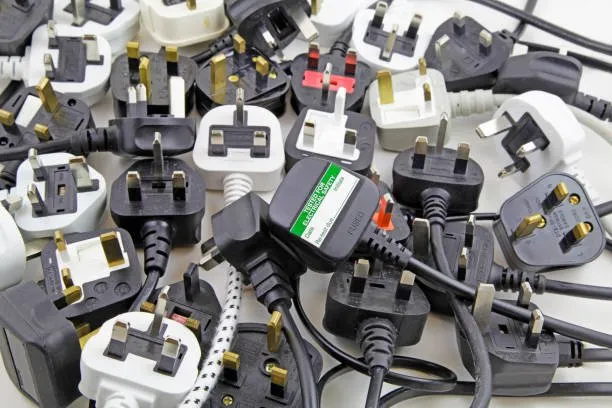
If you’re a landlord, you may be wondering whether PAT testing is a legal requirement in the UK. While PAT testing itself is not specifically required by law, landlords still have clear responsibilities to ensure that all electrical appliances provided in a property are safe to use.
IS PAT TESTING A LEGAL REQUIREMENT?
PAT testing is not a specific legal requirement in the UK. There is no law that states landlords must carry out PAT testing on every appliance.
However, landlords are legally responsible for ensuring that all electrical equipment they provide is safe. PAT testing is widely recognised as the most effective way to demonstrate that appliances have been properly checked and maintained.
WHAT LAWS APPLY TO LANDLORDS?
Several regulations require landlords to maintain electrical safety:
- Electricity at Work Regulations 1989
- Landlord and Tenant Act 1985
- Electrical Equipment (Safety) Regulations 2016
- General Product Safety Regulations 2005
These laws do not specifically mention PAT testing, but they require that electrical equipment is safe and properly maintained.
WHAT DOES PAT TESTING COVER?
PAT testing applies to portable electrical appliances such as:
- kettles and microwaves
- washing machines
- extension leads
- lamps and small appliances
It does not cover fixed wiring. For this, landlords must arrange EICR electrical safety inspections.
HOW OFTEN SHOULD PAT TESTING BE CARRIED OUT?
There is no fixed legal interval, but best practice suggests:
- at the start of each new tenancy
- annually for high-use appliances
- every 2–4 years for lower-risk items
A risk-based approach is recommended depending on the property and type of appliances.
WHY PAT TESTING IS IMPORTANT
Even though it is not legally required, PAT testing is important because it:
- reduces the risk of electrical faults and fires
- protects tenants from unsafe appliances
- helps demonstrate compliance if issues arise
- supports insurance and legal protection
Regular testing provides peace of mind for both landlords and tenants.
PAT TESTING VS EICR (IMPORTANT DIFFERENCE)
It is important to understand the difference between PAT testing and an EICR:
- PAT testing → checks portable appliances
- EICR → checks the fixed electrical installation
Landlords are legally required to carry out an EICR every 5 years, while PAT testing is considered best practice for appliance safety.
WHEN SHOULD LANDLORDS ARRANGE PAT TESTING?
You should arrange PAT testing if:
- you provide appliances in a rental property
- you manage multiple properties or HMOs
- appliances are older or heavily used
- you want to ensure full compliance and safety
NEED PAT TESTING IN LONDON?

BuildSpark provides professional PAT testing services for landlords and businesses across London, helping ensure electrical safety and compliance.
You should arrange PAT testing if:
- you provide appliances in a rental property
- you manage multiple properties or HMOs
- appliances are older or heavily used
- you want to ensure full compliance and safety