
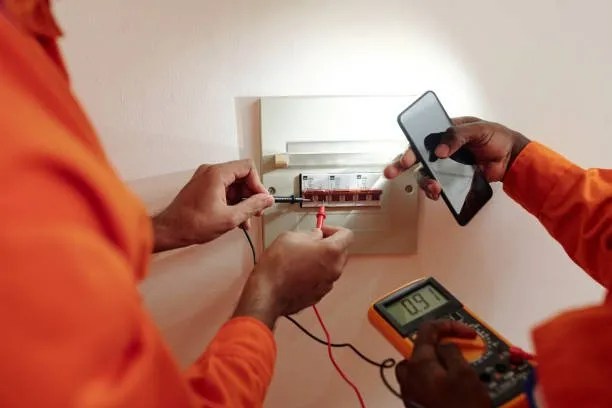
If your fuse board keeps tripping, it usually means that an electrical protective device has detected a problem and disconnected the electricity supply.
This can be frustrating, particularly when you lose power to your sockets, lighting, kitchen appliances or an entire section of your property.
However, a tripping fuse board is not necessarily a faulty fuse board. Modern consumer units contain protective devices designed to disconnect electricity when certain electrical faults occur.
The underlying problem could involve a faulty appliance, circuit overload, damaged wiring, earth leakage or moisture entering electrical equipment.
Understanding which protective device has tripped and when the problem occurs can help a qualified electrician identify the cause more efficiently.
BuildSpark provides professional electrical fault finding and repairs in London for homeowners, landlords, HMOs and businesses across South West London.
In this guide, we explain why fuse boards trip, the difference between RCDs and circuit breakers, what common symptoms may indicate and when professional electrical testing is required.
Fuse board repeatedly tripping? Call 0203 488 7378 or request a free electrical repair quotation.
What Does It Mean When a Fuse Board Trips?
A fuse board, also known as a consumer unit, distributes electricity to different circuits throughout a property.
Modern consumer units contain protective devices designed to disconnect the supply under specific fault conditions.
These devices may operate because of excessive current, a short circuit or electrical current leaking to earth.
When a protective device trips, it disconnects the affected circuit or group of circuits to reduce the risk of injury or damage.
The important point is that a tripping protective device is often responding to a problem elsewhere in the installation.
Replacing the consumer unit without identifying the cause may not resolve the issue.
Understanding RCD, RCBO and MCB Tripping
Not every protective device inside a consumer unit performs the same function.
Knowing which type has operated can help narrow down the possible causes.
What Is an RCD?
An RCD, or Residual Current Device, monitors the balance of electrical current flowing through a circuit or group of circuits.
It is designed to disconnect the electricity when it detects residual current above its operating threshold.
An RCD may trip because of:
-
Damaged insulation or wiring.
-
Faulty electrical appliances.
-
Moisture entering electrical equipment.
-
Earth leakage.
-
A combination of leakage currents from connected equipment.
An RCD is not designed to provide overload or short-circuit protection by itself.
If your RCD keeps tripping, the cause should be investigated rather than assuming the device is defective.
What Is an MCB?
An MCB, or Miniature Circuit Breaker, protects a circuit against overcurrent conditions such as overloads and short circuits.
An MCB may trip when too much current flows through a circuit or when a short circuit occurs.
For example, operating several high-power appliances on the same circuit may cause an overload.
However, a damaged cable or faulty electrical component can also cause an MCB to operate.
What Is an RCBO?
An RCBO, or Residual Current Circuit Breaker with Overcurrent Protection, combines residual current protection and overcurrent protection in one device.
It can respond to earth leakage, overloads and short circuits.
Because an RCBO protects an individual circuit, its operation may help identify which circuit requires investigation.
However, the reason for the trip still needs to be established through appropriate inspection and testing.
Why Identifying the Tripped Device Matters
An electrician will consider whether an RCD, MCB or RCBO has operated before deciding which tests are appropriate.
The type of device, the affected circuit and the circumstances surrounding the trip all provide useful diagnostic information.
6 Common Reasons Your Fuse Board Keeps Tripping
Several electrical problems can cause repeated tripping.
The most likely cause depends on which protective device operates and when the fault occurs.
1. Overloaded Electrical Circuits
An overloaded circuit occurs when the electrical demand exceeds the circuit's permitted capacity.
This can happen when several high-power appliances operate on the same circuit.
For example, portable heaters, kettles and other high-load equipment may contribute to excessive demand, depending on the circuit arrangement.
Possible warning signs include:
-
An MCB or RCBO trips when several appliances operate together.
-
Power disconnects during periods of high electrical demand.
-
The problem occurs when additional electrical equipment is switched on.
Overloading should not be resolved by fitting a higher-rated circuit breaker without assessing the cable, circuit design and installation.
A qualified electrician can determine whether the circuit is overloaded and recommend appropriate corrective work.
2. Faulty Electrical Appliances
A defective appliance can cause a protective device to operate when it is connected or switched on.
Common examples include washing machines, dishwashers, tumble dryers, ovens and outdoor electrical equipment.
Faults may involve damaged insulation, internal wiring or moisture affecting electrical components.
Possible warning signs include:
-
Tripping occurs when a particular appliance starts.
-
The fault appears during a heating cycle.
-
Power disconnects when the appliance is connected.
-
The same circuit trips whenever specific equipment is used.
Do not continue using an appliance suspected of causing an electrical fault.
If a plug, socket or appliance is hot, damaged, wet or sparking, do not touch or unplug it.
An electrician may need to investigate the circuit, while an appliance repair specialist may be required to assess the equipment itself.
3. Damaged or Deteriorating Electrical Wiring
Damaged electrical cables can cause short circuits, earth leakage and other electrical faults.
Wiring problems may develop because of physical damage, poor connections, deterioration or previous installation defects.
Possible causes include:
-
Cables damaged during building work.
-
Deteriorated cable insulation.
-
Loose electrical connections.
-
Damage caused by pests.
-
Defective junction boxes or accessories.
-
Previous electrical work that was not completed correctly.
Not every wiring fault requires a complete property rewire.
The extent of the problem should be established through professional testing before recommending repairs or replacement.
Where extensive wiring deterioration is identified, house rewiring services in Tooting may be appropriate.
4. Earth Leakage Faults
Earth leakage occurs when some electrical current flows along an unintended path to earth.
RCDs and RCBOs are designed to detect certain residual current conditions and disconnect the supply.
Earth leakage may be caused by damaged insulation, faulty appliances, moisture or defects within the electrical installation.
Some appliances also produce small amounts of normal leakage current.
Where multiple appliances share RCD protection, their combined leakage may contribute to unwanted tripping.
A qualified electrician can carry out appropriate tests to identify whether the problem involves an individual appliance, a circuit or the wider installation.
5. Moisture and Water Entering Electrical Equipment
Water entering electrical equipment can cause earth leakage and other dangerous electrical faults.
This is particularly relevant to outdoor sockets, garden lighting, external wiring and equipment exposed to damp conditions.
Moisture-related faults may also occur following plumbing leaks or water damage inside a property.
Possible warning signs include:
-
Tripping during or after heavy rain.
-
Outdoor lighting causing an RCD to operate.
-
Electrical faults following a water leak.
-
Intermittent tripping during damp weather.
Do not touch wet electrical equipment or attempt to dry electrical connections while they may be energised.
If water has affected a consumer unit or other electrical equipment, keep away and arrange professional assessment before restoring the supply.
6. Defective Protective Devices or Consumer Unit Components
Sometimes the problem involves the protective device or another component within the consumer unit.
A defective RCD, MCB or RCBO may operate incorrectly, although this should not be assumed without testing.
Other potential issues include damaged components, overheating connections or installation defects.
A qualified electrician can assess the condition of the consumer unit and determine whether repair or replacement is appropriate.
For more information about modern consumer units, read our consumer unit safety and upgrade guide.
Why Does My Fuse Board Trip at Different Times?
The timing of a trip can provide useful clues about the underlying electrical fault.
However, symptoms alone cannot reliably confirm the cause.
Fuse Board Trips Immediately
If a protective device trips immediately when operated, this may indicate a persistent electrical fault.
Possible causes include a short circuit, earth leakage or defective connected equipment.
Do not repeatedly reset the device.
Leave the affected circuit switched off and arrange professional investigation.
Fuse Board Trips After Several Minutes
A protective device that trips after a delay may be responding to a changing electrical condition.
For example, an overloaded circuit may operate after sustained demand, depending on the protective device and level of overcurrent.
Some appliances may also develop faults as components heat up or operating cycles change.
An electrician can investigate the circumstances and carry out suitable testing.
Fuse Board Trips When an Appliance Starts
If tripping consistently occurs when a particular appliance operates, the appliance or the circuit supplying it may require investigation.
Do not assume that the appliance is the only possible cause.
The electrical installation, protective device and connected equipment may all need to be considered.
Fuse Board Trips Randomly
Intermittent tripping can be more difficult to diagnose because the fault may not be present continuously.
Possible causes include moisture, intermittent equipment defects, damaged wiring or changing leakage currents.
Keeping a record of when the trip occurs and which appliances were operating may help an electrician investigate.
Fuse Board Trips During Rain or Wet Weather
Tripping during wet weather may indicate moisture entering external electrical equipment or wiring.
Outdoor sockets, lighting circuits and garden electrical installations may require inspection.
Do not open outdoor electrical accessories or attempt repairs in wet conditions.
Fuse Board Trips at Night
Night-time tripping may coincide with appliances operating automatically, such as heating controls, refrigeration equipment or other timed loads.
However, the timing alone does not establish the cause.
Professional fault finding may be needed to identify which circuit or item of equipment is responsible.
What Should You Do If Your Fuse Board Keeps Tripping?
If your consumer unit repeatedly trips, safety should come before attempting to restore power.
Step 1: Check for Immediate Danger
Before approaching the consumer unit, look for signs of:
-
Burning smells or smoke.
-
Sparks or unusual electrical noises.
-
Visible damage.
-
Excessive heat.
-
Water near electrical equipment.
-
Exposed wiring.
If any of these conditions are present, keep away from the affected equipment.
If there is fire or immediate danger to life, leave the property and call 999.
Step 2: Identify Which Circuit Has Lost Power
If it is safe to do so, observe which rooms, sockets or lights have lost electricity.
You may also be able to identify which protective device has operated by looking at the consumer unit without opening it.
Do not remove the consumer unit cover or touch internal components.
Step 3: Stop Using Suspected Equipment
If the problem began when an appliance was used, stop using that appliance.
Do not touch or disconnect equipment that is hot, damaged, wet or otherwise unsafe.
If an appliance can be safely disconnected, leave it out of use until its condition has been assessed.
Step 4: Avoid Repeatedly Resetting the Breaker
Repeatedly resetting a protective device without identifying the cause can expose the installation to continuing fault conditions.
If the device trips again, leave the affected circuit switched off and contact a qualified electrician.
Do not force a breaker into position or bypass electrical protection.
Step 5: Arrange Professional Electrical Fault Finding
If the cause cannot be safely established, professional investigation is the appropriate next step.
BuildSpark provides electrical fault finding across London to investigate recurring trips, damaged wiring and defective electrical circuits.
Is a Fuse Board That Keeps Tripping Dangerous?
A tripping protective device is not necessarily dangerous in itself.
In many cases, it is operating to reduce the risk associated with an electrical fault.
However, the underlying cause may present a serious hazard.
Damaged wiring, overheating connections, faulty appliances and moisture can create risks of electric shock or fire.
Repeated tripping should not be ignored simply because power can temporarily be restored.
If the consumer unit produces smoke, sparks, burning smells or excessive heat, do not touch it.
For immediate safety guidance, read our separate article on what to do during an electrical emergency in London.
How Does an Electrician Find the Cause of a Tripping Fuse Board?
Electrical fault finding involves more than resetting a protective device.
An electrician should investigate the circumstances and carry out suitable inspection and testing.
Initial Inspection
The electrician will normally review the symptoms, identify the affected circuits and assess the condition of accessible electrical equipment.
Information about when the fault occurs can help guide the investigation.
Electrical Testing
Depending on the fault, appropriate tests may include:
-
Insulation resistance testing.
-
Continuity testing.
-
RCD or RCBO testing.
-
Checking protective device characteristics.
-
Assessment of connected circuits and equipment.
-
Other tests appropriate to the installation and fault.
Testing must be performed using safe procedures by a competent person.
Identifying the Fault
The electrician may identify defective appliances, damaged wiring, loose connections, moisture or problems involving protective devices.
Where a fault cannot be reproduced immediately, further investigation may be necessary.
Repairs and Verification
Once the cause has been established, suitable repairs can be recommended.
After repairs, appropriate inspection and testing should confirm that the affected installation can be safely returned to service.
Does a Fuse Board That Keeps Tripping Need Replacing?
Not necessarily.
A consumer unit may trip because its protective devices are working correctly.
Replacing the entire fuse board will not automatically resolve a damaged cable, faulty appliance or earth leakage fault.
A replacement may be recommended where the consumer unit itself is defective, damaged or otherwise unsuitable for continued service.
Other considerations may include the condition of the installation, available protective arrangements and the findings of electrical inspection and testing.
An older consumer unit does not automatically require replacement solely because of its age.
If an upgrade is appropriate, BuildSpark provides fuse board replacement and consumer unit upgrades in London.
The underlying cause of repeated tripping should still be properly investigated.
Can an EICR Help Identify Electrical Problems?
An Electrical Installation Condition Report, or EICR, assesses the condition of an electrical installation against relevant safety requirements.
It can identify deterioration, defects and safety concerns that require attention.
However, an EICR is not always a substitute for targeted fault finding when an intermittent or specific electrical problem needs investigation.
The most suitable approach depends on the symptoms and condition of the installation.
For landlords, homeowners and businesses requiring an inspection, BuildSpark provides EICR electrical safety inspections in Tooting.
How to Reduce the Risk of Future Fuse Board Tripping
Not every electrical fault can be prevented, but appropriate maintenance and early attention to warning signs can reduce avoidable problems.
To help maintain electrical safety:
-
Avoid overloading electrical circuits and extension leads.
-
Stop using appliances that repeatedly cause protective devices to operate.
-
Replace damaged plugs, leads and appliances where necessary.
-
Protect outdoor electrical equipment from water ingress.
-
Arrange investigation of recurring electrical faults.
-
Use qualified electricians for fixed electrical installation work.
-
Arrange suitable inspection and maintenance when required.
For additional independent advice, visit Electrical Safety First.
Frequently Asked Questions About Fuse Board Tripping
Why Does My Fuse Board Keep Tripping for No Reason?
A protective device may appear to trip randomly, but there is usually an underlying electrical condition responsible.
Possible causes include intermittent appliance faults, earth leakage, moisture or wiring defects.
Professional testing may be required to identify the cause.
Why Does My RCD Keep Tripping When Nothing Is Plugged In?
An RCD may protect fixed wiring and permanently connected equipment as well as socket outlets.
Unplugging portable appliances does not necessarily remove every possible source of earth leakage.
The affected installation should be assessed by a qualified electrician.
Can a Faulty Appliance Trip the Whole Fuse Board?
Yes. Depending on the consumer unit arrangement, a faulty appliance can cause an RCD to disconnect several circuits.
With individual RCBO protection, the fault may affect only the circuit protected by that device.
Is It Safe to Keep Resetting a Tripping Circuit Breaker?
No. Repeatedly resetting a protective device without identifying the fault is not advisable.
If the device trips again, leave the affected circuit switched off and arrange professional investigation.
Why Does My Fuse Board Trip When It Rains?
Moisture entering outdoor electrical equipment or damaged wiring can cause earth leakage and protective device operation.
External circuits may require inspection and testing.
Does a Tripping Fuse Board Mean I Need a Rewire?
No. Repeated tripping does not automatically mean that a property requires rewiring.
A qualified electrician should identify the cause and assess the condition of the affected wiring before recommending extensive work.
How Much Does It Cost to Fix a Tripping Fuse Board?
The cost depends on the fault, time required for diagnosis, necessary repairs and any replacement materials.
BuildSpark's standard daytime electrical services start from £70 per hour. The applicable charge should be confirmed before booking.
Can BuildSpark Help With Repeated Fuse Board Tripping?
Yes. BuildSpark provides electrical fault finding and repairs for homeowners, landlords, letting agents, HMOs and businesses across South West London.
Why Choose BuildSpark for Fuse Board Fault Finding?
BuildSpark is a NAPIT-registered electrical contractor providing electrical inspections, fault finding, repairs and installations across South West London.
We help homeowners, landlords, HMOs, letting agents and businesses investigate recurring circuit breaker trips, RCD faults, damaged wiring and consumer unit problems.
Our approach focuses on identifying the cause of the electrical fault before recommending suitable repairs.
Where necessary, we can also advise on consumer unit upgrades, electrical remedial work and further inspection or testing.
Fuse Board Keeps Tripping? Contact BuildSpark
RCD keeps tripping? Circuit breaker will not stay on? Losing power to your sockets or lighting?
Repeated electrical tripping should not be ignored.
BuildSpark provides professional electrical fault finding and repairs across Tooting, Balham, Wimbledon, Wandsworth, Clapham, Streatham and surrounding South West London areas.
Call: 0203 488 7378
WhatsApp: Message BuildSpark
Free quote: Request your no-obligation electrical repair quotation