
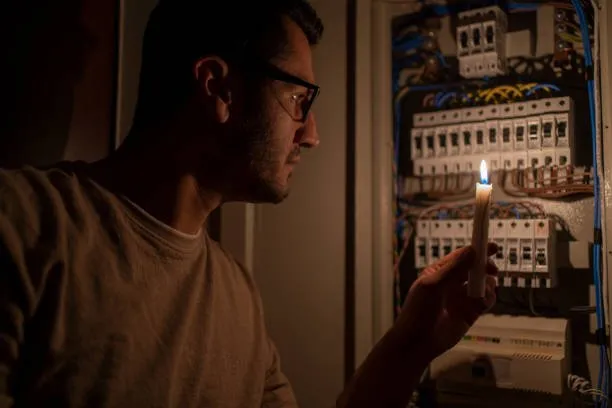
An electrical emergency can develop suddenly, leaving homeowners, tenants, landlords and businesses unsure about what to do next.
Whether you notice smoke coming from a socket, experience an electric shock, discover water near electrical equipment or lose power unexpectedly, taking the correct action can help prevent serious injury and property damage.
However, not every electrical problem requires the same response.
Some situations require immediate evacuation and emergency services. Others may require safe electrical isolation, assistance from the electricity network operator or urgent attention from a qualified electrician.
This guide explains what to do in an electrical emergency in London, who to contact and how to protect yourself and others while waiting for professional assistance.
BuildSpark provides professional electrical services across South West London, including urgent fault finding and repairs for homeowners, landlords and businesses.
Need urgent electrical assistance? Call 0203 488 7378 to explain the problem and confirm attendance availability.
First: Is the Electrical Emergency Immediately Dangerous?
Before touching switches, appliances or your consumer unit, assess the situation from a safe distance.
Some electrical emergencies require you to leave the property immediately.
Call 999 If There Is Fire or Immediate Danger
Call 999 if:
-
An electrical fire has started.
-
Smoke is spreading through the property.
-
Someone is seriously injured or unconscious.
-
There is an immediate danger to life.
Do not attempt to investigate the electrical fault before evacuating.
Leave the property, keep others away and follow the emergency services' instructions.
Call 105 for Electricity Network Emergencies
If you experience a power cut affecting nearby properties, contact 105, the free electricity network emergency number.
The electricity network operator can provide information about local supply problems.
If you discover a fallen overhead electricity cable, damaged network equipment or another external electricity hazard, keep well away and contact the network operator.
Contact an Electrician for Faults Within Your Property
If the issue appears to involve your internal electrical installation, you may need a qualified electrician.
Examples include repeated circuit breaker trips, damaged wiring, faulty sockets or electrical equipment showing signs of overheating.
BuildSpark provides electrical fault finding and repair services for domestic and commercial properties across South West London.
What to Do If You Smell Burning From Electrical Equipment
A burning smell from a socket, switch, consumer unit or appliance may indicate overheating electrical connections or damaged components.
This should never be ignored.
Immediate Safety Steps
Stop using the affected electrical equipment.
Do not touch sockets, switches or appliances that appear hot, damaged or unsafe.
If you can safely isolate the affected circuit without approaching dangerous equipment, do so.
Keep occupants away from the affected area and arrange urgent professional assistance.
If smoke or fire develops, evacuate and call 999.
Why Electrical Burning Smells Are Dangerous
Overheating can result from loose electrical connections, damaged cables, overloaded equipment or defective accessories.
The problem may not be visible from outside the socket or consumer unit.
A qualified electrician can inspect and test the installation to identify the cause before the affected circuit is returned to service.
What to Do After an Electric Shock
An electric shock should always be treated seriously, even if the person initially appears well.
Electricity can cause injuries that are not immediately obvious.
If Someone Is Still in Contact With Electricity
Do not touch the person while they remain in contact with an electrical source.
Doing so could expose you to the same danger.
Call 999 if the situation is immediately dangerous.
Only disconnect the electricity supply if you can do so safely without approaching live equipment or putting yourself at risk.
Follow the emergency operator's instructions.
If the Person Is No Longer in Contact With Electricity
Seek prompt medical assessment after an electric shock, even if symptoms seem minor.
Call 999 for serious symptoms such as collapse, unconsciousness, breathing difficulties, chest pain or significant burns.
Do not reuse the suspected appliance or electrical circuit until it has been assessed.
An electrician may need to investigate defective equipment, damaged insulation or problems with the electrical installation.
What to Do When Electricity and Water Come Into Contact
Water near electrical equipment can create a serious electric shock risk.
This may occur following flooding, roof leaks, plumbing failures or water entering outdoor electrical installations.
If Water Is Near Sockets or Wiring
Do not touch wet electrical equipment.
Keep occupants away from the affected area.
Avoid entering standing water where electrical equipment may be energised.
If the electrical supply can be isolated safely from a dry, unaffected location, this may help reduce the danger.
Otherwise, keep clear and seek professional assistance.
Before Restoring Electricity
Electrical equipment affected by water should be inspected before being returned to service.
Even if equipment appears dry, moisture may remain inside connections or components.
Depending on the damage, an electrician may recommend testing, repairs or replacement.
What to Do During a Power Cut in London
A power cut does not always indicate a fault inside your property.
Understanding whether the interruption affects the local network or only your installation helps you contact the correct service.
Check Whether Other Properties Are Affected
If neighbouring properties have also lost electricity, the problem may involve the local distribution network.
Call 105 for assistance.
If Only Your Property Has Lost Power
If it is safe to approach, visually check the consumer unit for an operated protective device.
Do not remove the cover or touch internal wiring.
If there are signs of burning, moisture or physical damage, do not operate the equipment.
Avoid repeatedly resetting a protective device that continues to trip.
When You Need Professional Fault Finding
A qualified electrician may be needed if:
-
Power is lost repeatedly.
-
Only certain circuits are affected.
-
A circuit breaker or RCD continues to trip.
-
There are signs of overheating or damage.
-
The cause cannot be safely identified.
For a detailed explanation of recurring faults, read our guide to common electrical faults, causes and repairs in Balham.
When Is It Safe to Switch Off the Electricity?
Electrical isolation can reduce danger in certain situations, but only when the controls can be operated safely.
A consumer unit should not be approached if it is wet, smoking, overheating, physically damaged or surrounded by water.
Never remove its cover or touch exposed conductors.
If you cannot safely isolate the electricity, move away from the affected equipment and seek professional assistance.
Do not assume that switching off one circuit has made all nearby wiring safe.
Electrical testing and repairs should be carried out by a competent electrician.
What Information Should You Give an Emergency Electrician?
Providing accurate information helps an electrician understand the situation and plan an appropriate response.
When contacting BuildSpark, explain:
-
Your property location and type.
-
What happened and when the problem started.
-
Whether electricity is still available.
-
Whether there is a burning smell, smoke or sparking.
-
Whether water has affected the electrical installation.
-
Whether a circuit breaker or RCD has operated.
-
Whether anyone has experienced an electric shock.
-
Whether occupants can safely remain in the property.
If you can safely take photographs without approaching dangerous equipment, these may help explain the problem.
Do not remove electrical covers or recreate a fault to demonstrate it.
What Happens When an Emergency Electrician Arrives?
The electrician's first priority should be identifying and managing any immediate electrical hazards.
Initial Assessment
The electrician will review the reported symptoms and assess the affected electrical installation.
Depending on the circumstances, the affected circuit or equipment may need to remain isolated.
Fault Investigation
Appropriate inspection and testing can help identify damaged wiring, defective accessories, loose connections or other electrical faults.
The work required depends on the condition of the installation and the nature of the problem.
Repairs and Safety Testing
Once the fault has been identified, the electrician can explain the recommended repairs.
Some issues may be resolved during the initial visit.
Others may require additional materials, further investigation or more extensive work.
Following repairs, appropriate testing should be completed before the affected installation is returned to service.
When Further Electrical Work Is Needed
If a serious defect is discovered, additional remedial work may be necessary.
Where the condition of the wider installation is uncertain, an Electrical Installation Condition Report may be recommended.
For information about correcting dangerous inspection findings, read our guide to electrical remedial work following an unsatisfactory EICR.
Electrical Emergencies in Rental Properties and Commercial Premises
Electrical faults in rental and commercial properties may affect several occupants, essential equipment or business operations.
Landlords, letting agents and business owners should establish whether the problem creates an immediate danger and take appropriate steps to protect people using the property.
For Landlords and Letting Agents
If a tenant reports burning smells, exposed wiring, electric shocks or other dangerous electrical conditions, the situation should be assessed promptly.
Keep a record of the report, the safety advice provided and any repairs arranged.
Where an installation is unsafe, affected equipment or circuits may need to remain isolated until corrective work is completed.
For Businesses
An electrical emergency can interrupt lighting, equipment, refrigeration, communications or other essential operations.
Do not allow staff to investigate damaged electrical equipment unless they are competent and authorised to do so.
Where necessary, stop using affected areas or equipment and arrange professional electrical assistance.
How to Prepare for an Electrical Emergency
A few practical preparations can help occupants respond more effectively.
-
Know where the consumer unit is located, without assuming it will always be safe to approach.
-
Keep emergency contact numbers accessible.
-
Make sure smoke and heat alarms are appropriately installed and maintained.
-
Report damaged sockets, switches and cables before they become more dangerous.
-
Avoid overloading extension leads and electrical accessories.
-
Arrange suitable electrical inspection and maintenance.
-
Make sure tenants and staff know how to report dangerous electrical conditions.
For independent electrical safety advice, visit Electrical Safety First.
If you want to understand the different warning signs in more detail, our separate guide to seven electrical emergencies in Tooting and how to stay safe covers common household situations.
Frequently Asked Questions About Electrical Emergencies
Should I Call 999 or an Emergency Electrician?
Call 999 if there is a fire, serious injury or immediate danger to life.
For electrical faults within your property that do not require emergency services, contact a qualified electrician.
Who Do I Call for a Power Cut in London?
Call 105 if the problem appears to involve the electricity distribution network.
If the power cut is limited to your property's internal installation, you may need an electrician.
Can I Switch Off the Consumer Unit During an Emergency?
Only if it is safe to approach and operate.
Do not touch a consumer unit that is wet, smoking, damaged or overheating.
What Should I Do After an Electric Shock?
Avoid further contact with the electrical source and seek prompt medical assessment.
Call 999 for serious symptoms or immediate danger.
Do not reuse the suspected equipment until it has been assessed.
Can an Electrician Repair the Fault During the First Visit?
Some electrical faults can be repaired during the initial visit.
Others require further investigation, replacement components or additional work.
Does BuildSpark Provide Emergency Electrical Repairs?
Yes. BuildSpark provides urgent electrical fault finding and repairs across South West London, subject to attendance availability.
How Much Does Emergency Electrical Work Cost?
The cost depends on the time of attendance, the fault, investigation required and any replacement materials.
BuildSpark's standard daytime electrical services start from £70 per hour. Emergency and out-of-hours rates may differ, so confirm the applicable price before booking.
Why Choose BuildSpark for Emergency Electrical Repairs in South West London?
BuildSpark is a NAPIT-registered electrical contractor providing electrical fault finding, repairs, inspections and installations across South West London.
We support homeowners, landlords, letting agents, HMOs and businesses with electrical problems affecting domestic and commercial properties.
Our services include investigating power loss, tripping protective devices, damaged wiring, faulty electrical accessories and dangerous installation defects.
We focus on identifying the cause of electrical faults, explaining suitable repairs and carrying out appropriate inspection and testing.
Need an Emergency Electrician in South West London?
Electrical fault? Burning smell? Power loss? Unsafe wiring?
If there is immediate danger, contact the emergency services first.
For urgent electrical faults within your property, BuildSpark provides professional electrical repairs across Tooting, Balham, Wimbledon, Clapham, Wandsworth, Streatham and surrounding South West London areas.
Call: 0203 488 7378
WhatsApp: Message BuildSpark
Free quote: Request your no-obligation quotation