
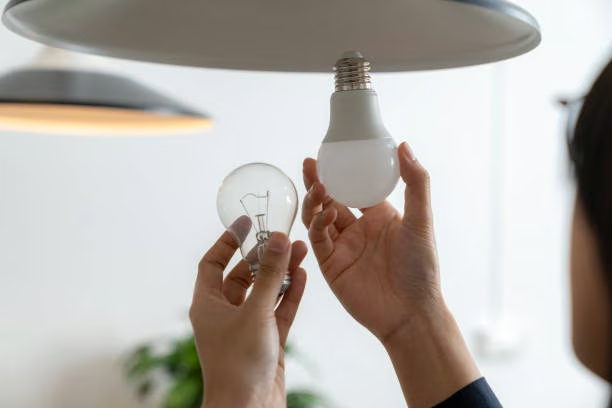
Lighting is one of the most underestimated areas of home energy consumption in the UK. Many households continue using outdated bulbs without realising how much energy and money is being wasted every year.
In 2026, LED lighting has become the standard for efficiency, safety, and long-term savings — but how does it really compare to traditional lighting?
This guide breaks it down using real-world comparisons, cost analysis, and electrician insights from Buildspark, a trusted local electrician in South West London.
The Evolution of Home Lighting
Lighting has evolved significantly over time:
- Incandescent bulbs (traditional filament lighting)
- Halogen bulbs (brighter but inefficient)
- Fluorescent lighting (CFL tubes)
- Modern LED lighting systems
Each step improved efficiency, but LED technology is the first to combine low energy use, long lifespan, and smart control compatibility.
What Are LED Lights?

LED (Light Emitting Diode) lights use semiconductor technology to produce light efficiently without generating excessive heat.
Key Benefits:
Energy Efficiency
LEDs use up to 80% less energy than traditional bulbs.
Long Lifespan
Up to 50,000 hours of use.
Low Heat Output
Reduces wasted energy and improves safety.
Smart Compatibility
Works with smart lighting systems and dimmers.
For safe installation, use a qualified electrician for lighting upgrades in London.
What Is Traditional Lighting?
Traditional lighting includes:
- Incandescent bulbs
- Halogen bulbs
- Older fluorescent systems
These technologies rely on heat or gas excitation, making them far less efficient than modern LED systems.
Limitations:
- High electricity consumption
- Short lifespan
- Frequent replacements
- Higher carbon footprint
- More heat waste
LED vs Traditional Lighting Comparison
Energy Use
LEDs consume significantly less electricity.
Lifespan
- LED: up to 50,000 hours
- Traditional: 1,000–2,000 hours
Heat Waste
Traditional bulbs waste most energy as heat.
Cost Over Time
LED = higher upfront cost but lower lifetime cost
Traditional = cheap upfront but expensive long-term
UK Lighting Cost Comparison (2026 Estimate)
| Lighting Type | Energy Use | Lifespan | 10-Year Cost |
|---|---|---|---|
| LED | Very Low | 50,000 hrs | Lowest |
| Halogen | High | 2,000 hrs | High |
| Incandescent | Very High | 1,000 hrs | Very High |
👉 UK households can reduce lighting energy consumption by up to 80% by switching to LED systems.
When Should You Upgrade Your Lighting?
You should consider upgrading if:
- Your home still uses halogen or incandescent bulbs
- Your electricity bills are rising
- You are renovating your property
- You want smart lighting control
- You experience flickering or overheating lights
A professional domestic electrician in London can assess your system safely.
Common Lighting Mistakes UK Homeowners Make
- Mixing LED and halogen systems incorrectly
- Using wrong wattage bulbs
- Ignoring flickering lights
- Installing non-compatible dimmers
- Not upgrading old wiring for LED systems
Environmental Impact
LED lighting reduces:
- Carbon emissions
- Energy demand
- Waste from frequent replacements
Unlike fluorescent lighting, LEDs contain no mercury or hazardous materials.
Professional LED Installation
LED lighting works best when installed correctly.
Buildspark provides:
- LED lighting installation
- Ceiling lighting upgrades
- Smart lighting systems
- Outdoor lighting solutions
- Full rewiring if required
We also offer fuse board upgrades and EICR electrical safety inspections.
Conclusion
LED lighting is the clear winner for UK homes in 2026.
It offers:
✔ lower energy bills
✔ longer lifespan
✔ better safety
✔ improved environmental impact
For safe installation and lighting upgrades, Buildspark provides trusted electrician services in South West London.



0 Comments