
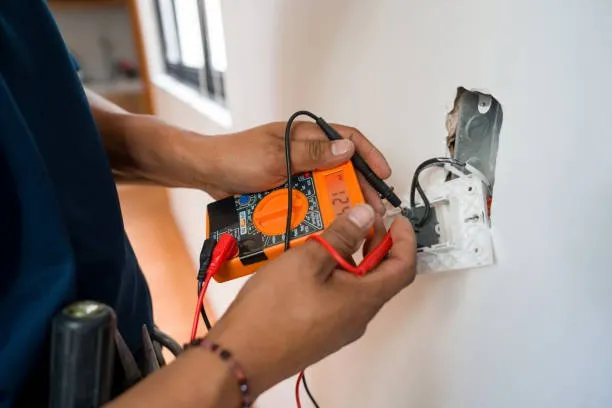
Hiring an electrical contractor in London involves more than finding someone who can complete an electrical repair or installation. For homeowners planning renovations, landlords managing rental properties and businesses arranging electrical work, choosing the right contractor can affect project costs, safety, documentation and future maintenance.
London properties vary considerably, from period houses and converted flats to apartment developments, retail units, offices and other commercial premises. Each property can present different electrical requirements.
A small domestic repair may need a straightforward appointment, while a house renovation, commercial installation or multi-property maintenance programme can require more detailed planning.
This guide explains how to compare electrical contractors, understand the scope of quotations, assess experience and establish what documentation and support your project requires.
BuildSpark provides domestic and commercial electrical services across South West London, including Tooting, Balham, Wimbledon, Clapham and surrounding areas.
Planning electrical work? Call 0203 488 7378 or request a free quotation.
Understand What Type of Electrical Contractor Your Project Needs
Not every electrical contractor provides the same services or specialises in the same type of property.
Before requesting quotations, identify whether your project involves domestic electrical work, commercial installations, electrical inspection and testing, or ongoing maintenance.
Domestic Electrical Contractors
Domestic electrical contractors work on houses, flats and other residential properties.
Typical projects include additional sockets, lighting installations, consumer unit upgrades, house rewiring and electrical repairs.
For larger residential projects, such as extensions and refurbishments, electrical work may need to be coordinated with builders, plumbers and other trades.
A contractor should understand the existing installation and the proposed alterations before confirming the scope of work.
Commercial Electrical Contractors
Commercial electrical projects can involve offices, shops, restaurants, workshops and other business premises.
The work may include electrical installations, distribution equipment, lighting, inspection and testing, and repairs.
Commercial projects can also involve restricted access, business operating hours and the need to minimise disruption.
Before appointing a contractor, confirm that they have relevant experience with the type of premises and electrical system involved.
Landlord and Property Management Contractors
Landlords, letting agents and property managers may need a contractor who can manage inspection appointments, respond to reported defects and provide appropriate electrical documentation.
Where several properties are involved, clear communication and consistent reporting can be especially important.
A suitable contractor should be able to explain how inspections, remedial works and access arrangements will be coordinated.
Prepare a Clear Scope of Electrical Work
One of the most important steps when comparing electrical contractors is defining exactly what you want them to do.
Without a clear scope, quotations may cover different work, making direct comparisons difficult.
For example, a quotation for replacing a consumer unit may not include the same preparatory testing, corrective work or accessories as another quotation.
Before requesting prices, provide as much relevant information as possible.
Useful details include:
-
The property type and location.
-
The electrical work required.
-
Any existing faults or safety concerns.
-
Previous electrical inspection reports.
-
Planned renovations or alterations.
-
Access restrictions.
-
Preferred working dates.
-
Whether other trades will be involved.
-
Any certification or documentation requirements.
For substantial work, photographs, drawings or a site visit may help the contractor assess the installation.
A clear description at the beginning can reduce misunderstandings and unexpected variations later.
Compare Electrical Quotations on a Like-for-Like Basis
Electrical quotations should be compared according to the work included, not simply the final price.
A lower quotation may exclude materials, testing or additional work that another contractor has included.
Labour, Materials and Equipment
Check whether the quotation identifies labour costs and the materials to be supplied.
For larger installations, ask whether the proposed equipment has been specified sufficiently to understand what is being installed.
If particular brands or specifications are important, agree them before work begins.
Inspection, Testing and Certification
Confirm whether the quotation includes the inspection and testing required for the work.
Depending on the project, an Electrical Installation Certificate or Minor Electrical Installation Works Certificate may be appropriate.
An EICR is a different document used to report on the condition of an existing installation.
Understanding the documentation included helps avoid confusion after completion.
Additional Work and Variations
Electrical work can reveal defects that were not visible during the initial assessment.
For example, damaged wiring or unsuitable existing connections may require further work.
Ask how the contractor will communicate additional findings and obtain approval before carrying out chargeable variations.
Payment Terms and Scheduling
Confirm the proposed start date, expected duration and payment arrangements.
For larger projects, written terms can clarify deposits, staged payments and the circumstances in which the schedule may change.
Check Experience With Similar Electrical Projects
Relevant experience is an important consideration when appointing an electrical contractor.
A contractor who regularly completes domestic repairs may not necessarily have the same experience with commercial installations or complex refurbishment projects.
Ask whether they have completed work of a similar size and type.
Renovations and House Rewiring
Renovation projects often involve changes to existing circuits, additional electrical points and coordination with other building work.
The contractor should be able to explain the proposed installation, how existing wiring will be assessed and when electrical work needs to take place.
Electrical Inspection and Testing
Inspection and testing require appropriate competence and equipment.
If your project involves a rental property, ask about the contractor's experience with EICRs, reporting defects and arranging remedial work.
Electrical Fault Finding
Intermittent electrical faults may require systematic investigation rather than immediate component replacement.
An experienced contractor should explain how the fault will be investigated and how the cost of additional diagnostic work will be handled.
For urgent situations, see our guide to electrical emergencies in Tooting and how to stay safe.
Verify Registration, Competence and Insurance
Before appointing an electrical contractor, check that they have the necessary competence for the work.
Relevant electrical qualifications, practical experience and knowledge of BS 7671 are important.
Where professional registration is claimed, confirm the business details and the categories of work covered.
You can check NAPIT registration using the official NAPIT member search.
Registration should not be treated as a substitute for assessing whether a contractor has relevant experience with your particular project.
Public Liability Insurance
Ask whether the contractor holds suitable public liability insurance.
For larger projects, consider whether the level and scope of cover are appropriate for the work being undertaken.
Workmanship Guarantees
Ask what workmanship warranty or guarantee is offered and whether its terms are available in writing.
Understand what is covered, how a problem should be reported and whether any exclusions apply.
Subcontractors and Project Responsibility
For larger electrical projects, clarify who will carry out the work and who will be responsible for supervision, testing and certification.
If subcontractors are involved, establish how their work will be managed.
Clear responsibility is especially important when several trades are working on the same property.
Plan Electrical Work Around Your Property and Schedule
Electrical work can affect access to rooms, the availability of electricity and the activities of other trades.
For a small repair, disruption may be limited. Larger projects can require planned isolation of circuits, access to several areas and additional testing.
Occupied Homes and Rental Properties
If occupants will remain in the property during the work, discuss which rooms and circuits may be affected.
Landlords and letting agents should also coordinate access with tenants and provide appropriate notice.
Where essential electrical supplies need to be interrupted, the contractor should explain the expected disruption in advance.
Commercial Premises
Businesses may need electrical work arranged outside their busiest operating periods.
Ask whether planned shutdowns, access restrictions or specialist equipment will affect the schedule.
For larger installations, establish how the contractor will coordinate with site management and other contractors.
Refurbishments and Building Projects
Electrical installation work may need to take place at different stages of a refurbishment.
For example, cables and electrical boxes may be installed before plastering, while final accessories and testing are completed later.
Agreeing these stages early can help avoid delays and unnecessary rework.
Understand Electrical Documentation and Handover
A professional electrical contractor should explain what documentation will be provided when the work is completed.
The documents required depend on the type and extent of the work.
An Electrical Installation Certificate is generally used for new electrical installations and certain significant additions or alterations.
A Minor Electrical Installation Works Certificate may be appropriate for certain modifications to existing circuits.
An Electrical Installation Condition Report assesses the condition of an existing electrical installation rather than certifying new installation work.
For applicable work in dwellings, Building Regulations notification requirements may also apply.
Ask the contractor to explain who is responsible for any necessary notification and how the relevant documentation will be supplied.
For larger projects, handover information may also include equipment instructions, relevant drawings and maintenance recommendations.
Keep electrical documentation with your property records, particularly if you are a landlord, property manager or business owner.
Assess Communication and Aftercare
Good communication can make electrical projects easier to manage.
Before appointing a contractor, consider how clearly they explain the proposed work and respond to questions.
A professional contractor should be able to discuss:
-
The agreed scope of work.
-
Expected start and completion dates.
-
Access and power isolation requirements.
-
Materials and equipment.
-
Inspection and testing.
-
Potential additional costs.
-
Completion documentation.
-
Aftercare and workmanship warranty arrangements.
For larger projects, agree who will be your main contact.
If unexpected defects are discovered, the contractor should explain the findings and discuss suitable options before proceeding with significant additional work.
After completion, retain the quotation, invoice, relevant certificates and any warranty information.
Common Mistakes When Hiring an Electrical Contractor
Some problems can be avoided by checking important details before work begins.
Comparing Prices Without Comparing the Work
Two quotations may appear to cover the same project but include different materials, testing or installation requirements.
Ask for clarification before choosing between them.
Assuming Every Electrician Has the Same Experience
Electrical contractors can specialise in different areas.
Check that the contractor has suitable experience with your type of property and project.
Not Confirming Certification Requirements
Do not assume every electrical job produces the same certificate.
Ask what documentation is appropriate for the proposed work.
Leaving Project Changes Unrecorded
Additional sockets, lighting changes or unexpected repairs can affect the final cost.
Agree variations and their costs before the extra work proceeds.
Overlooking Future Maintenance
Consider how the installation will be maintained and whether future inspection or testing may be necessary.
This is particularly important for landlords, commercial premises and properties with more complex electrical systems.
When Should You Choose a Local Contractor Rather Than a London-Wide Provider?
The best choice depends on your property's location, the type of work and the contractor's experience.
For a small electrical repair, a nearby electrician may be convenient for arranging appointments and follow-up visits.
For a larger installation, relevant experience, project management and availability may be more important than distance alone.
A contractor covering a wide area is not automatically better suited to a complex project, just as a local contractor is not automatically suitable for every electrical installation.
BuildSpark operates primarily across South West London, including Tooting, Balham, Wimbledon, Clapham, Wandsworth, Streatham and surrounding areas.
If your property is in Tooting and you want more specific local advice, read our guide on how to choose a qualified electrician in Tooting.
Frequently Asked Questions About Hiring an Electrical Contractor in London
What Is the Difference Between an Electrician and an Electrical Contractor?
An electrician is a person who carries out electrical work. An electrical contractor is typically a business that undertakes electrical projects and may be responsible for planning, carrying out, supervising and certifying the work as appropriate.
A small electrical contracting business may have one electrician, while larger contractors may employ several people.
Should I Get Multiple Electrical Quotations?
For substantial electrical projects, comparing quotations can help you understand the proposed work and costs.
Make sure each contractor has been given the same project information so that you can compare the scope fairly.
Is NAPIT Registration Necessary for Every Electrical Job?
Not every electrical task legally requires the contractor to belong to a particular registration scheme. However, professional registration can provide additional reassurance and may support self-certification arrangements for applicable work.
Always check the contractor's competence and the requirements of the particular project.
Should Electrical Contractors Provide Insurance Details?
You should ask whether the contractor has suitable insurance for the work.
For larger projects, consider requesting confirmation of the relevant cover.
Who Provides Electrical Certificates After Installation Work?
The person or business responsible for the electrical installation work should arrange the appropriate inspection, testing and certification.
The documentation required depends on the work completed.
Can One Electrical Contractor Manage Several Rental Properties?
Yes, provided the contractor has the capacity and relevant experience.
Landlords and property managers should agree how inspections, access arrangements, repairs, reporting and invoicing will be handled.
Does BuildSpark Provide Electrical Services Across All of London?
BuildSpark primarily serves South West London and surrounding areas. Contact the business to confirm whether your property is within its service area.
Why Choose BuildSpark for Electrical Projects in South West London?
BuildSpark provides professional electrical services for homeowners, landlords, letting agents, HMOs and businesses across South West London.
As a NAPIT-registered electrical contractor, BuildSpark undertakes electrical installations, inspections, fault finding and repairs.
Our services include domestic electrical work, EICR inspections, consumer unit upgrades, rewiring, lighting installations and electrical remedial work.
We focus on understanding the work required, explaining suitable options and providing clear quotations.
Whether you are arranging a small repair, planning a property refurbishment or managing electrical work across several premises, BuildSpark can help you discuss the scope and next steps.
Request an Electrical Contractor Quotation
Planning electrical work in London? Need a reliable contractor for your home, rental property or business?
BuildSpark provides electrical installation, inspection, testing and repair services across Tooting, Balham, Wimbledon, Clapham and surrounding South West London areas.
Contact us to discuss your requirements and arrange a quotation.
Call: 0203 488 7378
WhatsApp: Message BuildSpark
Free quote: Request your no-obligation quotation
BuildSpark — Professional Electrical Contractors Serving South West London.