
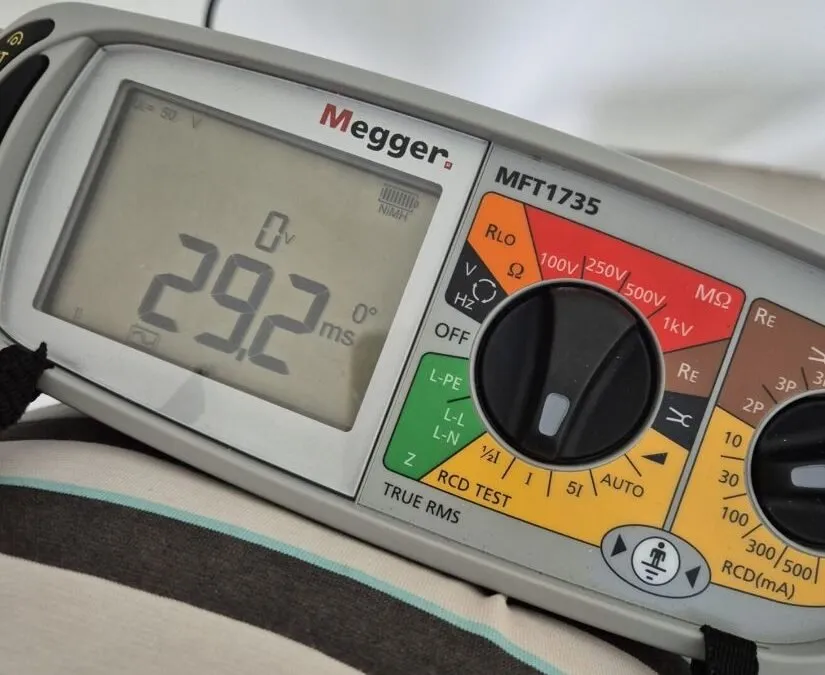
Electrical work is not something that should be judged simply by whether the lights turn on or the sockets provide power.
An installation may appear to function normally while containing damaged wiring, unsuitable protective devices, poor connections or other hidden defects.
For homeowners, landlords and businesses in London and Surrey, understanding the risks of poorly executed electrical work is an important part of protecting people and property.
Electrical faults can arise from age, damage, deterioration, incorrect installation or unsuitable alterations. Not every fault is caused by an unqualified person, but electrical work carried out without the necessary competence can introduce serious safety risks.
BuildSpark is a NAPIT-registered electrical contractor providing electrical installations, inspections and repairs across South West London and Surrey.
In this guide, we explain the dangers associated with unsafe electrical work, the warning signs to look for, the importance of proper certification and what to do if you suspect previous electrical work was completed incorrectly.
Why Is Unqualified Electrical Work Dangerous?
Electrical installations rely on correctly designed circuits, suitable materials, protective devices and properly installed connections.
Mistakes may not be immediately obvious.
A socket can provide electricity even when its connections are poor. A circuit breaker may remain switched on even when the wiring is unsuitable for the connected load.
Without appropriate electrical knowledge, installation experience and testing, these defects may go unnoticed.
The Main Risks of Unsafe Electrical Work
Potential consequences include:
-
Electric shock and serious injury.
-
Electrical fires caused by overheating or arcing.
-
Damage to appliances and electronic equipment.
-
Repeated power interruptions.
-
Failure of protective devices to operate as intended.
-
Expensive repairs to defective installations.
-
Difficulties establishing whether previous work meets applicable requirements.
These risks are reasons to use a competent electrician and ensure that relevant inspection, testing and documentation are completed.
1. Poor Electrical Connections Can Cause Overheating
Electrical connections must be suitable for the conductors, equipment and installation conditions.
Loose or incorrectly terminated connections can create excessive resistance, which may result in localised heating.
Over time, this can damage insulation, accessories and surrounding materials.
Warning Signs of Overheating
Look out for:
-
Discoloured sockets or switches.
-
A smell of burning plastic.
-
Unusual heat around electrical accessories.
-
Crackling or buzzing sounds.
-
Visible melting or scorching.
Do not continue using equipment that shows these signs.
If safe, isolate the affected circuit and arrange urgent professional assessment. If there is smoke, fire or immediate danger, leave the area and call 999.
For additional guidance, read our article on 12 warning signs you need an electrician.
2. Incorrect Circuit Protection Can Leave Wiring at Risk
Circuit breakers and other protective devices must be selected according to the electrical installation.
They are not interchangeable simply because they look similar.
What Happens if a Circuit Breaker Is Incorrectly Rated?
A protective device with an unsuitable rating may fail to provide the intended protection for the connected wiring.
For example, increasing the rating of a breaker to prevent nuisance tripping could leave a circuit inadequately protected.
The correct solution is to investigate the cause of the tripping and verify the circuit design.
Why RCD and RCBO Protection Matters
Residual Current Devices (RCDs) and Residual Current Breakers with Overcurrent Protection (RCBOs) perform important protective functions.
However, the correct arrangement depends on the installation.
An electrician must assess which devices are appropriate, how they should be installed and whether they are compatible with the consumer unit.
Read our guide to MCBs, RCDs, RCBOs and fuse board protective devices.
3. Incorrect Earthing and Bonding Can Create Electrical Hazards
Earthing and protective bonding form part of an installation's protection against electric shock.
Incorrect or missing protective connections may affect how safely the installation responds to certain electrical faults.
What Is Earthing?
Earthing provides a connection associated with the electrical installation's protective arrangements.
The specific requirements depend on the supply system and installation design.
What Is Protective Bonding?
Protective bonding connects relevant conductive parts where required to reduce dangerous potential differences under fault conditions.
Not every metal pipe or item of equipment automatically requires the same bonding arrangement.
Can You Check Earthing Yourself?
You may be able to identify obvious visible damage, but you cannot reliably verify the adequacy of earthing and bonding by appearance alone.
Appropriate electrical inspection and testing are needed.
Do not disconnect or alter earthing or bonding conductors yourself.
4. Unsafe DIY Electrical Alterations Can Create Hidden Problems
Some property owners discover previous electrical alterations when renovating kitchens, bathrooms, lofts or extensions.
These installations may have been completed many years earlier, and the original installer may be unknown.
Examples of Potentially Unsafe Alterations
Problems may include:
-
Unsuitable cable connections.
-
Incorrect cable sizes.
-
Poorly protected cables.
-
Inadequate circuit protection.
-
Accessories installed in unsuitable locations.
-
Inaccessible connections that do not meet the relevant requirements.
-
Improperly installed additional circuits.
These are examples of possible defects, not proof that all DIY electrical work is unsafe.
The important issue is whether the work was carried out competently and complies with applicable requirements.
Can You Tell Whether Previous Wiring Is Safe?
Not always.
Some defects can only be identified through professional inspection and testing.
If you are purchasing or renovating a property with unknown electrical alterations, consider arranging an appropriate electrical assessment.
5. Electrical Work Without Certification: What Does It Mean?
A missing electrical certificate does not automatically prove that the work is unsafe.
However, missing documentation can make it harder to establish what work was completed and whether it was properly inspected and tested.
Electrical Installation Certificate
An Electrical Installation Certificate (EIC) is used for relevant new installations, new circuits and certain additions or alterations.
Minor Electrical Installation Works Certificate
A Minor Electrical Installation Works Certificate (MEIWC) may be appropriate for certain alterations or additions to an existing circuit that do not involve a new circuit.
Electrical Installation Condition Report
An Electrical Installation Condition Report (EICR) assesses the condition of an existing electrical installation.
It is not the same as a certificate for newly completed electrical installation work.
Building Regulations Documentation
In England, some domestic electrical work is notifiable under Part P of the Building Regulations.
Examples generally include installing a new circuit and replacing a consumer unit.
Where work is notifiable, the relevant Building Regulations process must be followed.
A registered competent person scheme installer may be able to self-certify eligible work within their registration scope.
Other approval routes are available.
For a fuller explanation, see our guide to electrical qualifications, NAPIT registration and certification.
6. Is It Illegal to Use an Unregistered Electrician?
Not automatically.
This is an important distinction for property owners.
An electrician can be competent without belonging to a particular registration scheme.
Registration with an authorised scheme provides a recognised route for assessment and, where applicable, self-certification of certain Building Regulations work.
However, registration is not a universal legal requirement for every electrical task.
What Is Legally Important?
The relevant work must meet applicable safety and Building Regulations requirements.
Where notification or approval is required, the correct process must be followed.
The electrician must also be competent for the work being undertaken.
Why Choose a NAPIT-Registered Electrician?
NAPIT is an authorised competent person scheme operator for relevant categories of electrical installation work.
Registration can provide customers with a way to check a contractor's assessed scope and scheme status.
Customers should verify that the registration covers the work being commissioned.
You can check an installer through the official NAPIT search service.
7. Can Poor Electrical Work Cause a House Fire?
Certain electrical defects can contribute to fire risks.
Examples include overheating connections, damaged insulation, unsuitable equipment and overloaded circuits.
However, an electrical fire can have several causes, and not every incident is attributable to poor installation workmanship.
How Can You Reduce Electrical Fire Risks?
Practical measures include:
-
Investigating burning smells or overheating.
-
Replacing damaged accessories professionally.
-
Avoiding overloaded extension leads.
-
Arranging repairs for known electrical defects.
-
Using appropriate electrical equipment.
-
Having installations inspected when their condition is uncertain.
If you suspect a dangerous electrical fault, do not continue using the affected equipment.
8. What Should You Do if You Suspect Unsafe Electrical Work?
If you have concerns about electrical work completed by a previous contractor or an unknown installer, the next step depends on the symptoms and level of risk.
Step 1: Identify Any Immediate Danger
If equipment is smoking, sparking dangerously, overheating or exposing live parts, stop using it.
Isolate the affected circuit only if it is safe to do so.
Call 999 where there is fire or immediate danger to life.
Step 2: Do Not Attempt Your Own Repairs
Avoid removing socket fronts, opening the consumer unit or testing exposed wiring unless you are appropriately competent and equipped to work safely.
Step 3: Gather Existing Documentation
Look for:
-
Electrical installation certificates.
-
Minor works certificates.
-
Previous EICR reports.
-
Building Regulations compliance documentation.
-
Installation invoices or descriptions.
-
Details of the original contractor.
These records can help an electrician understand the history of the installation.
Step 4: Arrange a Professional Assessment
A competent electrician can inspect the relevant installation and undertake appropriate testing.
The required assessment may be targeted fault finding, an inspection of particular work or a more comprehensive EICR.
Step 5: Review the Findings
The electrician should explain any identified defects and their significance.
Not every defect requires a full rewire or complete consumer unit replacement.
Step 6: Agree the Necessary Remedial Work
Repairs should address the actual findings.
The scope, quotation, inspection, testing and relevant documentation should be discussed before work proceeds.
BuildSpark provides electrical fault finding and repair services across South West London.
9. Do You Need an EICR After Discovering Poor Electrical Work?
An EICR may be appropriate where the condition of the wider electrical installation is uncertain.
It assesses an existing installation through inspection and testing within the stated scope and limitations.
However, an EICR is not automatically required for every isolated electrical defect.
For example, a damaged socket may require targeted investigation and repair rather than a complete property inspection.
When Might an EICR Be Useful?
Consider an EICR where:
-
The property's electrical history is unknown.
-
Extensive alterations have been made without available documentation.
-
Several circuits show signs of defects.
-
You are concerned about the overall installation condition.
-
Periodic inspection is due.
-
Relevant landlord inspection requirements apply.
Read our complete guide to EICR certificates and electrical safety inspections.
10. What Happens if an EICR Identifies Unsafe Electrical Work?
An EICR records observations and an overall assessment of the installation.
The significance of any observation depends on the applicable reporting requirements.
C1 — Danger Present
An immediate danger has been identified and immediate action is required.
C2 — Potentially Dangerous
A condition has been identified that requires urgent remedial action.
C3 — Improvement Recommended
An improvement is recommended, but a C3 observation alone does not make the report unsatisfactory.
FI — Further Investigation
FI indicates that additional investigation is required to establish the nature or extent of a concern.
Its treatment in the overall assessment should follow the applicable edition of BS 7671 and reporting requirements.
Does an Unsatisfactory Report Mean a Full Rewire?
No.
The work required depends on the specific defects.
Some issues can be corrected through local repairs, while others may require more extensive work.
For more information, read our guide to remedial work after an unsatisfactory EICR.
11. Risks of Poor Electrical Work in Rental Properties
Landlords have responsibilities for maintaining electrical safety in rented accommodation.
In England, relevant rented-property legislation requires periodic inspection and testing of electrical installations.
Where the inspection identifies defects requiring remedial work, applicable deadlines and documentation requirements must be followed.
What if a Previous Contractor Installed Unsafe Wiring?
The landlord should arrange an appropriate assessment and address identified safety concerns.
The existence of a previous contractor's invoice or certificate does not remove the need to respond to current hazards.
What About HMOs?
Houses in Multiple Occupation may be subject to additional licensing and fire safety requirements.
The appropriate electrical and alarm arrangements depend on the property.
BuildSpark provides landlord and HMO electrical services across London.
12. Risks of Unsafe Electrical Work in Commercial Properties
Electrical installations in workplaces may serve lighting, equipment, heating, distribution systems and other operational needs.
Poor installation or inadequate maintenance can create safety risks and business disruption.
Commercial Electrical Responsibilities
Relevant duty holders must manage electrical safety under applicable legislation, including the Electricity at Work Regulations 1989.
Electrical systems should be constructed and maintained so as to prevent danger, so far as reasonably practicable.
What Should Businesses Do About Suspected Defects?
Businesses should arrange competent assessment of suspected electrical hazards.
Depending on the installation, this may involve fault finding, inspection, testing or planned remedial work.
The urgency should reflect the risk.
13. How Much Does It Cost to Correct Unsafe Electrical Work?
The cost depends on the nature of the defect and the work required.
A damaged socket, unsuitable circuit connection or faulty protective device may involve a different scope of work from widespread defective wiring.
Factors Affecting the Cost
-
Number of affected circuits.
-
Accessibility of the wiring.
-
Testing and investigation required.
-
Materials and replacement equipment.
-
Condition of the existing installation.
-
Extent of remedial work.
-
Required certification.
An electrician may need to investigate before providing a complete repair quotation.
BuildSpark advertises general daytime electrical services from £70 per hour, subject to the relevant booking terms.
For more information, visit our electrician pricing guide for South West London.
14. How Can You Avoid Unsafe Electrical Work in the Future?
The best approach is to choose someone with appropriate competence and experience for the work.
Before Booking an Electrician
Ask about:
-
Relevant electrical qualifications and experience.
-
Competence for the particular installation.
-
Registration status and scheme scope, where relevant.
-
Insurance arrangements.
-
The proposed work and quotation.
-
Inspection and testing.
-
Electrical certification.
-
Building Regulations notification, where applicable.
For a practical checklist, read our guide to 10 questions to ask an electrician before hiring.
After the Work Is Completed
Make sure you understand what has been installed or repaired.
Ask for relevant certificates, instructions and information about any outstanding work.
If something appears unsafe, raise the concern promptly.
Frequently Asked Questions About Unqualified Electrical Work
Is Electrical Work Safe if the Lights and Sockets Work?
Not necessarily.
Normal operation does not prove that wiring, connections or protective arrangements are safe.
Can an Unqualified Electrician Cause a Fire?
Electrical work carried out without the necessary competence can introduce defects that increase fire risks.
However, the cause of any particular fire requires appropriate investigation.
Is It Illegal to Carry Out Electrical Work Without NAPIT Registration?
Not automatically.
Scheme membership is voluntary, but applicable competence, safety and Building Regulations requirements must still be met.
What if My Previous Electrician Did Not Provide a Certificate?
Ask what documentation should have been issued for the work.
If you cannot obtain the records, a competent electrician can advise on assessing the existing installation.
An EICR does not retrospectively replace every certificate or Building Regulations document.
Can an EICR Identify Poor Electrical Work?
An EICR may identify defects resulting from unsuitable installation or alterations.
However, it is subject to the inspection scope and recorded limitations.
Does Unsafe Wiring Always Require a Complete Rewire?
No.
The necessary work depends on the defects identified and the condition of the installation.
Can I Report Concerns About a Registered Electrician?
If the contractor belongs to a registration scheme, you can contact the relevant scheme operator about its complaints procedure.
You should also give the contractor an opportunity to address concerns where appropriate, without delaying action needed for immediate safety.
Should I Have Electrical Work Checked Before Buying a House?
Where the electrical installation's condition is uncertain, an appropriate electrical inspection can provide useful information before purchase.
Can BuildSpark Inspect Suspected Unsafe Electrical Work?
BuildSpark provides electrical inspection, fault finding, testing and remedial electrical services across South West London and Surrey.
We can discuss the concerns and recommend an appropriate assessment.
Why Choose BuildSpark for Electrical Safety and Remedial Work?
BuildSpark is a NAPIT-registered electrical contractor serving homeowners, landlords, letting agents, HMOs and businesses across South West London and Surrey.
Our services include:
-
Electrical fault finding and repairs.
-
Electrical safety inspections and EICRs.
-
Consumer unit assessments and replacements.
-
Wiring repairs and alterations.
-
Full and partial rewiring.
-
Electrical remedial work.
-
Domestic and commercial electrical installations.
-
Smoke and heat alarm installations.
We aim to identify electrical defects, explain the relevant risks and recommend appropriate solutions based on the installation's condition.
Concerned About Unsafe Electrical Work? Contact BuildSpark
Have you discovered damaged wiring, missing electrical documentation or electrical work that doesn't look right?
BuildSpark provides electrical fault finding, inspection and remedial services across Tooting, Balham, Wimbledon, Wandsworth, Clapham, Streatham and surrounding South West London and Surrey areas.
Call: 0203 488 7378
WhatsApp: Message BuildSpark
Free quotation: Request an electrical inspection or repair quotation
Online booking: Book a BuildSpark electrical service